What is the Compatibility of a High Pressure Membrane with Different Chemicals?
As a high pressure membrane supplier, I’ve witnessed firsthand the crucial role that membrane compatibility with different chemicals plays in various industrial applications. High pressure membranes are used in a wide range of sectors, including water treatment, food and beverage processing, pharmaceutical manufacturing, and more. Understanding their compatibility with different chemicals is essential for ensuring the efficient and long – term operation of membrane systems. High Pressure Membrane

Chemical Compatibility Basics
Chemical compatibility refers to the ability of a high pressure membrane to withstand exposure to specific chemicals without significant degradation of its performance or physical structure. When a membrane comes into contact with a chemical, several things can happen. It may cause swelling, which can change the pore size of the membrane and affect its separation efficiency. Chemicals can also react with the membrane material, leading to chemical degradation, such as hydrolysis or oxidation. In some cases, the chemical may dissolve the membrane or cause it to become brittle and break.
The compatibility of a high pressure membrane with a chemical depends on several factors. The type of membrane material is the most fundamental factor. Common membrane materials include polyamide, polysulfone, and cellulose acetate. Each material has its own chemical resistance properties. For example, polyamide membranes are known for their high rejection rates and good chemical resistance to many common salts and organic solvents. However, they are sensitive to chlorine and strong oxidizing agents, which can break the amide bonds in the polymer structure.
Polysulfone membranes, on the other hand, have good mechanical strength and chemical resistance to a wide range of acids and bases. They are less affected by chlorine compared to polyamide membranes. Cellulose acetate membranes are more hydrophilic, which makes them suitable for applications where water permeability is crucial. But they are more prone to biological degradation and have limited chemical resistance compared to polyamide and polysulfone membranes.
Compatibility with Specific Chemicals
Acids and Bases
Acids and bases are commonly used in membrane cleaning and pretreatment processes. The compatibility of high pressure membranes with acids and bases depends on the membrane material and the concentration and pH of the solution. For instance, polyamide membranes can tolerate mild acidic conditions (pH 2 – 11), but strong acids can cause hydrolysis of the amide bonds. Polysulfone membranes are more resistant to both acids and bases and can typically withstand a wider pH range (pH 1 – 13).
When using acids or bases for cleaning, it’s important to follow the manufacturer’s recommendations. Over – exposure to high – concentration acids or bases can lead to irreversible damage to the membrane. For example, if a polyamide membrane is exposed to a highly concentrated sulfuric acid solution, the membrane may lose its integrity, resulting in a significant decrease in rejection rates.
Oxidizing Agents
Oxidizing agents such as chlorine, hydrogen peroxide, and ozone are used for disinfection and membrane cleaning. However, they can be very aggressive towards high pressure membranes. Polyamide membranes are particularly sensitive to chlorine. Even low concentrations of chlorine over a long period can cause significant damage to the membrane structure. Chlorine reacts with the amide groups in the polyamide, leading to chain scission and a decrease in membrane performance.
To protect polyamide membranes from chlorine damage, pre – treatment processes are often used to remove chlorine from the feed water. This can be achieved through the use of activated carbon filters or chemical reducing agents such as sodium bisulfite. Polysulfone membranes are more resistant to chlorine, but they can still be affected by high – concentration oxidizing agents.
Organic Solvents
Organic solvents are used in some industrial processes for extraction and separation. The compatibility of high pressure membranes with organic solvents depends on the type of solvent and the membrane material. Non – polar solvents such as hexane and toluene can cause swelling of some membrane materials, especially those with a high degree of hydrophobicity. For example, polyamide membranes may swell in the presence of non – polar solvents, which can lead to a change in pore size and a decrease in rejection rates.
On the other hand, some membranes are designed to be resistant to certain organic solvents. For example, some fluoropolymer – based membranes have excellent chemical resistance to a wide range of organic solvents. These membranes can be used in applications where the feed stream contains organic solvents, such as in the pharmaceutical and chemical industries.
Testing and Evaluation of Chemical Compatibility
To ensure the compatibility of high pressure membranes with different chemicals, testing and evaluation are essential. There are several methods for testing membrane chemical compatibility. One common method is the immersion test, where a small piece of the membrane is immersed in the chemical solution for a specific period of time. After the immersion, the membrane is evaluated for changes in physical properties, such as weight, thickness, and appearance.
Another method is the performance test, where the membrane is installed in a test cell and the feed solution containing the chemical is passed through the membrane. The permeate flux and rejection rates are measured before and after the exposure to the chemical. A significant change in these parameters indicates a potential compatibility issue.
It’s also important to consider the long – term effects of chemical exposure. Short – term tests may not accurately predict the long – term performance of the membrane. Therefore, accelerated aging tests are often conducted, where the membrane is exposed to higher concentrations of chemicals or elevated temperatures to simulate long – term exposure.
Importance of Chemical Compatibility in Industrial Applications
In industrial applications, the compatibility of high pressure membranes with different chemicals is crucial for several reasons. Firstly, it affects the performance and efficiency of the membrane system. If the membrane is not compatible with the chemicals in the feed stream, it can lead to fouling, scaling, and a decrease in permeate flux. This can result in increased energy consumption, higher operating costs, and reduced product quality.
Secondly, chemical compatibility is related to the lifespan of the membrane. A membrane that is exposed to incompatible chemicals may have a shorter lifespan, which means more frequent membrane replacements. This not only increases the cost but also causes downtime in the production process.
Finally, ensuring chemical compatibility is essential for regulatory compliance. In some industries, such as the food and beverage and pharmaceutical industries, strict regulations govern the use of membranes and the chemicals used in the production process. Using a membrane that is not compatible with the chemicals can lead to non – compliance and potential legal issues.
Conclusion
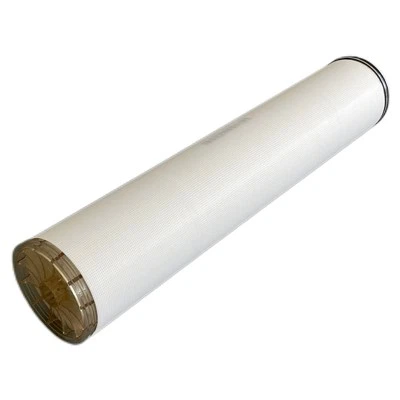
As a high pressure membrane supplier, I understand the importance of chemical compatibility in ensuring the optimal performance and longevity of membrane systems. By carefully selecting the appropriate membrane material based on the chemical composition of the feed stream and conducting thorough testing and evaluation, we can help our customers avoid compatibility issues and achieve the best results in their applications.
DTRO If you are in need of high pressure membranes for your industrial processes and want to ensure the compatibility with the chemicals you are using, I encourage you to reach out to us. Our team of experts can provide you with detailed information about the chemical compatibility of our membranes and help you select the most suitable product for your specific needs. We are committed to providing high – quality membranes and excellent customer service to meet your requirements.
References
- Baker, R. W. (2012). Membrane Technology and Applications. John Wiley & Sons.
- Mulder, M. (1996). Basic Principles of Membrane Technology. Kluwer Academic Publishers.
- Cheryan, M. (1998). Ultrafiltration Handbook. Technomic Publishing Company.
Hangzhou Nanoimp Environmental Technology Co., Ltd.
With abundant experience, we are one of the most professional high pressure membrane manufacturers and suppliers in China. Welcome to wholesale high quality high pressure membrane in stock here and get pricelist from our factory. We also accept customized orders.
Address: Road 25, Baiyang Street, Qiantang District, Hangzhou City, Zhejiang Province
E-mail: keith.wang@nano-sepmer.com
WebSite: https://www.nanoimp-membrane.com/
