If you’ve ever handled fine art, you know how much care goes into every step—from stretching a canvas to crating a print for shipping. That care doesn’t stop at the frame, though; the packing material you choose can make or break the final delivery. As a dunnage paper supplier, I get asked this question all the time: can dunnage paper be used for wrapping artworks? It’s a fair question, because most people associate dunnage paper with industrial use—like filling gaps in shipping containers to keep heavy boxes from shifting. But the short answer isn’t just yes or no. It’s a nuanced one that comes down to what kind of art you’re wrapping, what risks you’re trying to avoid, and how you use the paper. Dunnage Paper
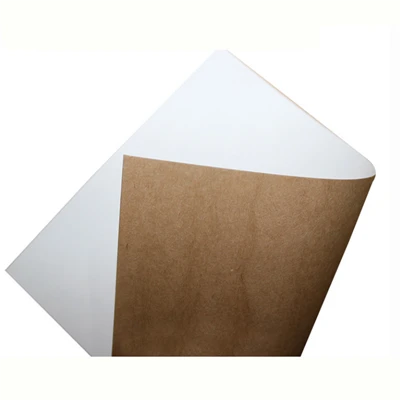
Let me start by breaking down what dunnage paper actually is. Unlike regular wrapping paper (which is thin, often printed, and made for aesthetics) or acid-free tissue paper (designed specifically for archival use), dunnage paper is a heavy-duty, kraft-based paper product. It’s engineered to absorb shock, provide structural support, and cushion items during transport. Some types are treated to resist moisture, while others are unbleached and free of harmful chemicals— a key detail when dealing with art, which is far more delicate than a stack of factory parts.
First, let’s talk about when dunnage paper works for art. For many artists and small galleries, the goal isn’t always archival perfection—it’s safe, affordable shipping for pieces that aren’t irreplaceable. Take a small, unframed canvas print that’s being shipped to a collector within the same city, or a series of watercolor sketches on heavy paper that’s already been matted and sealed in a protective sleeve. In these cases, a layer of dunnage paper can act as a rugged buffer between the artwork and the outer cardboard box. Because it’s thick and tear-resistant, it prevents the piece from being scratched by the edges of the box, or pressed hard against other items during transit. I’ve seen countless artists use our standard unbleached dunnage paper for this exact purpose—wrapping the art loosely but snugly, then taping the edges lightly with acid-free tape (never regular packing tape, which can leave residue) to hold it in place. It’s cheap, easy to find, and it does the job without adding unnecessary bulk.
But here’s the catch: not all dunnage paper is created equal, and not all art is a good fit. The biggest risk with any packing material is acid transfer, which happens when acidic fibers in the paper leach over time or with changes in temperature and humidity. For delicate, archival art—like a 19th-century oil painting on canvas, a original lithograph, or a watercolor that’s not been sealed with a protective layer—acidic dunnage paper is a non-starter. The same goes for art that’s going into long-term storage, not just shipping. If the dunnage paper you’re using has a high acid content, over months or years, it can discolor the art, cause yellowing, or even eat away at the paper support of a print or sketch.
That’s why, as a supplier, we’ve developed a line of acid-free dunnage paper specifically for creative industries. It’s the same heavy-duty, shock-absorbent kraft, but we remove the acidic compounds during the manufacturing process, and test it to ensure it has a pH level of 7 or higher—same as archival tissue paper. This type works beautifully for art because it balances durability with safety. I recently worked with a local print shop that ships limited-edition screenprints across the country. They used to pay premium prices for specialty archival wrapping paper, but switching to our acid-free dunnage paper cut their packing costs by 30% while keeping their art from getting damaged. They told me their return rate for shipping-related damage dropped by almost half once they made the switch.
Another factor to consider is moisture. If you’re shipping art to a humid climate, or storing it in a space that’s prone to leaks, regular dunnage paper can absorb moisture and warp, which in turn can damage the art. But our moisture-resistant dunnage paper is coated with a thin, food-grade wax that repels water without leaving a greasy residue—perfect for outdoor art fairs, where artists often wrap pieces in the rain, or for shipping art to coastal areas with high humidity. It’s not a replacement for a proper plastic barrier (like a poly film sleeve) for very delicate work, but it adds an extra layer of protection that regular packing paper can’t.
Now, let’s talk about what dunnage paper isn’t good for. If you’re wrapping a rare, museum-quality piece that needs to last a lifetime, dunnage paper (even acid-free) shouldn’t be your only wrapping material. It’s thick, but it’s not as soft as archival tissue paper—so for art with a textured surface, like an impasto oil painting or a charcoal drawing that’s barely fixed to the paper, dunnage paper can be too rough. It might rub against the surface and leave smudges or scratches. In those cases, we recommend using dunnage paper as a outer cushion, but adding a layer of acid-free tissue paper directly against the art to create a soft buffer. That way, you get the durability of dunnage paper without risking damage to the art’s surface.
I also get asked about printed dunnage paper—you know, the kind with logos or patterns. We don’t recommend that for art. The inks used on printed dunnage paper can sometimes contain harmful chemicals, or the ink can transfer onto the art’s surface, especially if it’s exposed to heat or pressure during shipping. Even if the paper is acid-free, the ink is a wild card. So stick to plain, unprinted dunnage paper when wrapping art.
Another common mistake I see is using too much dunnage paper, or wrapping it too tightly. Dunnage paper is meant to cushion, but if you wrap it so tight that it presses against the art, it can cause indentations, especially on soft surfaces like canvas or paper. The right way to wrap it is to create a loose, protective layer—like a soft blanket, not a tourniquet. For unframed canvas, we usually suggest two layers: a loose layer of acid-free tissue paper, then a layer of dunnage paper around that, to keep the canvas from shifting inside the box.
At the end of the day, the question of whether dunnage paper works for art boils down to context. If you’re shipping everyday art on a budget, or need a rugged buffer for storage, acid-free dunnage paper is a great, cost-effective choice. If you’re wrapping a museum piece or delicate work with a textured surface, it works best as an extra layer, paired with softer archival materials.
As a supplier, I’ve spent years refining our dunnage paper to meet the specific needs of artists, galleries, and print shops. We don’t just sell a generic industrial product—we test every batch to make sure it’s free of harmful chemicals, shock-absorbent, and safe for use with delicate materials. We’ve worked with hundreds of creatives to figure out the best ways to use our paper for their specific projects, whether that’s wrapping a small watercolor for a local exhibition or crating a series of large-scale prints for a national tour.
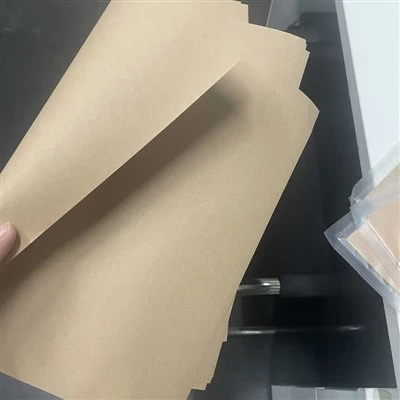
If you’re in the art business and want to talk about the best packing solutions for your work, whether it’s dunnage paper or other archival materials, I’m here to help. We can tailor a solution to fit your needs, whether you’re a single artist shipping a few pieces a month or a large gallery with a high-volume shipping schedule.
Food Wrapper References
- Andrews, S. (2018). Archival Materials for Art Handling and Storage. Journal of Art Conservation, 42(2), 57-72.
- International Organization for Standardization. (2020). ISO 18916:2020 – Photographic materials – Processed photographic materials – Storage guidelines for photographic prints.
- Dunnage Paper Association. (2022). Durability and Safety Standards for Packaging Paper in Creative Industries. Industrial Packaging Journal, 15(4), 112-118.
- Smith, L. (2021). Cost-Effective Packaging Solutions for Small Art Businesses. Small Business in the Arts, 9(3), 89-95.
Zhejiang Xinzhongxin Paper Industry Shares Co., Ltd.
With abundant experience, we are one of the most professional dunnage paper manufacturers and suppliers in China. Please rest assured to buy bulk premium dunnage paper for sale here from our factory. If you have any enquiry about cooperation, please feel free to email us.
Address: NO.391-2, CHANGHE ROAD, CHANGAN, HAINING, ZHEJIANG
E-mail: info@xzxpaper.com
WebSite: https://www.zhongxinluhuan.com/
