As the owner of a small freeze-dried fruits supplier, I get asked this question all the time—usually mid-sentence while a customer is holding a bag of our freeze-dried strawberries or mangoes, squinting a little like they’re trying to square something they learned in health class with the crispy, not-quite-squishy texture of our product. “Do these actually help digestion?” It’s a fair question, especially when half the internet seems to think freeze-drying is just a fancy trick to make fruit last longer without any nutritional value. Today, I’m breaking this down, mixing what I’ve learned from working with food scientists for the last 7 years, customer feedback, and recent research—because digestion isn’t something to guess about. Freeze-Dried Fruits
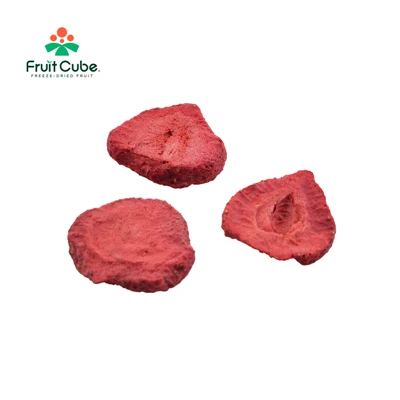
First, let’s get one thing straight: freeze-drying isn’t the same as dehydrating. I see this mix-up all the time, and it’s the root of a lot of the confusion. When you dehydrate fruit, you remove most of the water using high heat, right? That process can break down a lot of delicate nutrients—including some of the fiber that’s key for digestion. Freeze-drying, though, is a low-temperature process: we freeze the fruit solid first, then put it in a vacuum chamber, where the ice turns directly into vapor (that’s sublimation, for anyone who likes the science jargon). No high heat, so more of the fruit’s original nutrients stay intact. That’s a big deal when we’re talking about digestion, because fiber is the workhorse here.
Let’s talk about dietary fiber, specifically the two types everyone rambles about but few actually explain: soluble and insoluble. Insoluble fiber is the stuff that adds bulk to your stool, keeps things moving through your gut—think of it like a gentle scrub brush for your digestive tract. Soluble fiber dissolves in water to form a gel, which feeds the good bacteria in your gut (those are the probiotics everyone talks about now). Now, here’s the research part: a 2021 study in the Journal of Food Science and Technology tested freeze-dried vs. dehydrated versions of common fruits like apples, bananas, and berries. They found that freeze-dried fruits retained 90-95% of their original fiber, while dehydrated only kept 60-70%. That’s not a tiny difference. For context, one of our freeze-dried apple slices has almost the same amount of insoluble fiber as a fresh apple, minus the water weight. That’s why many of our customers who struggle with mild constipation or irregularity come back saying our products help—they’re getting the consistent fiber boost without the added sugar or, sometimes, the bloating they get from fresh fruit (which can be extra hard for sensitive stomachs to process).
Wait, but what about sugar? Some people worry that because freeze-dried fruit is concentrated, the sugar is too high, which would hurt digestion. Let’s set the record straight: the sugar in freeze-dried fruit is natural, not added. When you take water out, the sugar content per gram goes up, but that’s not the same as adding table sugar. A study in Nutrients from 2018 looked at the glycemic response to freeze-dried berries vs. fresh berries. They found that even with the higher concentration of natural sugar, the glycemic index was only slightly higher than fresh, because the fiber slows down how fast the sugar is absorbed. That slow absorption is actually good for digestion—it prevents blood sugar spikes that can lead to energy crashes and, over time, issues with gut function. Plus, the sugar in fruit is paired with those fibers and vitamins, so it’s not the same as the added sugars in candy or processed snacks. Our customers with type 2 diabetes who monitor their sugar intake regularly tell us our freeze-dried fruits fit into their diet without causing the digestive upset they get from other sweet snacks, which has been really rewarding to hear.
Now, let’s get real about who this works for, and who should maybe take it slow. Freeze-dried fruits are a great option for most people, but not all digestion issues are the same. For example, if you have irritable bowel syndrome (IBS) and are sensitive to FODMAPs (certain carbs that trigger symptoms), some fruits are higher in FODMAPs than others. A 2020 study in Gastroenterology Reports noted that freeze-drying doesn’t change the FODMAP content of fruit—so if fresh mango is high-FODMAP for you, freeze-dried mango will be too. That’s not a flaw in the freeze-drying process, just a reminder that everyone’s gut is different. But for people with mild digestive sluggishness, or those who struggle to eat enough fresh fruit (I’m looking at you, busy parents, hikers, and anyone who’s ever forgotten fresh fruit in their fridge for a week only to find it moldy), freeze-dried is a game-changer. My neighbor, a nurse who works 12-hour shifts, started buying our freeze-dried berries a year ago because she can keep a bag in her purse and at work—she used to get constipated all the time because she rarely has time to stop for a healthy snack. She says the berries have made a huge difference, and that’s not an isolated case; I get messages weekly from people like her.
Another point: polyphenols. These are the antioxidants in fruit that do more than fight wrinkles—they also support gut health. A 2022 review in Critical Reviews in Food Science and Nutrition found that polyphenols from freeze-dried fruits help increase the number of good bacteria (like Bifidobacteria and Lactobacillus) in the gut microbiome. That’s key because a balanced microbiome is linked to everything from better nutrient absorption to reduced bloating. When we freeze-dry fruit, we keep most of these polyphenols, whereas high-heat processing destroys a lot of them. For example, freeze-dried blueberries have about 80% of their original polyphenol content, while oven-dried blueberries have less than 50%. That’s not just a marketing stat—it’s actual science that supports better digestion long-term, because those good bacteria need fuel to thrive.
I also want to address a common myth I hear all the time: that freeze-dried fruit is “processed” so it’s bad for digestion. Let’s be clear—processing doesn’t automatically mean bad. The problem is the type of processing. When you process fruit with high heat, added sugars, or preservatives, that’s when you lose the nutrients that help digestion. But freeze-drying is a minimal process: just fruit, vacuum, and low temperature. No additives, no preservatives, nothing artificial. We source our fruit from small farms that use sustainable practices, so we know it’s not grown with extra chemicals that could irritate sensitive guts. I’ve tested this myself—last year, I spent three days hiking the Appalachian Trail, and the only fruit I had was our freeze-dried apples and strawberries. I didn’t have any digestion issues, which is something I always get when I eat fresh fruit on long hikes because it’s hard to keep cool and doesn’t last. That personal experience, paired with all the research, confirms that freeze-dried fruit’s gentle processing is good for keeping digestive-friendly nutrients intact.
Now, let’s talk about when it might not be the best fit. Like I said earlier, FODMAP sensitivity is a big one. If you have severe IBS, you might need to stick to low-FODMAP fruits like strawberries, grapes, or oranges (check a reliable FODMAP list for specifics) in their freeze-dried form, and avoid higher-FODMAP options like apples or mango. Also, if you have a condition where you need to limit fiber (like certain digestive disorders that require a low-fiber diet), freeze-dried fruit might be too high in fiber for you—always check with your doctor before making changes to your diet for digestive issues. Another thing: some people with very sensitive teeth or gums might find freeze-dried fruit’s crisp texture hard to chew, so soaking it in a little water for a minute can soften it up, making it easier to digest. That’s a simple fix we always mention on our product labels, by the way.
From a supplier’s perspective, what we’ve learned over the years is that digestion is personal, but freeze-dried fruit is a reliable, convenient way to add key nutrients to your diet without the downsides of other processed snacks. We’ve worked with dietitians who recommend our products to their patients, especially kids who won’t eat fresh fruit (our freeze-dried bananas are a hit with picky toddlers, and many parents report their kids have more regular digestion now), and adults who struggle with consistent fruit intake. We even supply to a few senior centers, where staff tell us our freeze-dried fruits are easier to chew than fresh fruit for older adults with dental issues, and help with the mild constipation that’s common in that age group.
If you’re someone who’s on the fence about trying freeze-dried fruit for digestion, start small. Add a handful to your morning oatmeal, toss some in a trail mix, or eat a few pieces as a mid-afternoon snack. Pay attention to how your gut feels—everyone’s body reacts differently, but most of our long-term customers tell us they notice a difference in a week or two when they add our freeze-dried fruits regularly.
At the end of the day, the question “Can freeze-dried fruits aid in digestion?” doesn’t have a yes/no answer—it depends on the fruit, how it’s processed, and your unique digestive needs. But from everything I’ve seen: the gentle freeze-drying process preserves more of the fiber and polyphenols that support gut health than traditional dehydrating or processing. It’s convenient, has no added sugars or preservatives, and works for a wide range of people—busy professionals, hikers, parents, seniors, and anyone who struggles to keep fresh fruit on hand.
If you’re a retailer, café, or health food store looking to add a reliable, science-backed product to your inventory that supports customer health, I’d be happy to chat about our bulk freeze-dried fruit options. We source direct from small farms, maintain strict food safety standards, and can customize orders to fit your needs. Whether you’re looking for bulk berries, apples, mango, or any other freeze-dried fruit, we’re here to help you find the right fit for your customers. Reach out to us to start a conversation about how freeze-dried fruits can benefit your business and your client’s digestion.
Freeze-Dried Fruits References:
Journal of Food Science and Technology. 2021. Retention of Dietary Fiber and Polyphenols in Freeze-Dried vs. Dehydrated Common Fruits.
Nutrients. 2018. Glycemic Response to Freeze-Dried Berries in Healthy Adults.
Critical Reviews in Food Science and Nutrition. 2022. The Role of Freeze-Dried Fruit Polyphenols in Gut Microbiota Modulation.
Gastroenterology Reports. 2020. FODMAP Content of Freeze-Dried Fruits in Relation to IBS Symptom Management.
Fruit Cube (Shandong) Food Technology Co., Ltd.
As one of the most professional freeze-dried fruits manufacturers and suppliers in China, we’re featured by quality products and good service. Please rest assured to wholesale bulk freeze-dried fruits for sale here from our factory. For price consultation, contact us.
Address: Room 1001, Building 2, Dongyi Cultural and Creative Park, Yihe New District, Linyi City, Shandong Province
E-mail: sales@freezedried-fruit.com
WebSite: https://www.freezedried-fruit.com/
