As a supplier of swing chains, I’ve spent a significant amount of time researching and understanding the safety standards that baby swing chains should meet. Ensuring the safety of infants and toddlers is of the utmost importance, and swing chains play a crucial role in the overall safety of baby swings. In this blog, I’ll delve into the key safety standards that baby swing chains must adhere to, providing insights based on industry knowledge and best practices. Swing Chains

Material Quality and Durability
The first and most fundamental aspect of baby swing chain safety is the quality of the materials used. Swing chains are typically made from metals such as steel or iron. High – quality steel is often preferred due to its strength, corrosion resistance, and durability.
The steel used in baby swing chains should have a high tensile strength. Tensile strength refers to the maximum amount of stress a material can withstand while being stretched or pulled before breaking. For baby swing chains, a high tensile strength is essential as it ensures that the chain can support the weight of the baby and any movement or swinging action without snapping.
Corrosion resistance is also a critical factor. Since baby swings may be used both indoors and outdoors, the chains are exposed to various environmental conditions. Moisture, humidity, and even chemicals can cause corrosion over time. A corrosion – resistant coating, such as galvanization, can significantly extend the lifespan of the swing chains. Galvanized steel is coated with a layer of zinc, which acts as a sacrificial anode, protecting the underlying steel from rust and corrosion.
In addition to the material quality, the manufacturing process of the swing chains is also important. The chains should be well – made, with no weak links or defects. Each link should be properly formed and connected, ensuring a smooth and secure chain. Any sharp edges or rough surfaces on the chains can pose a risk of injury to the baby, so the chains should be finished to a smooth surface.
Load – Bearing Capacity
Another important safety standard for baby swing chains is their load – bearing capacity. Baby swing chains must be able to support the weight of the baby, as well as any additional forces generated during swinging.
Manufacturers should conduct rigorous testing to determine the maximum load that the swing chains can safely support. This testing should take into account factors such as the weight of the heaviest baby that the swing is designed for, as well as the dynamic forces created by the swinging motion.
Typically, baby swing chains are rated to support a certain weight range. For example, a common rating might be for a baby weighing up to 30 pounds (about 13.6 kilograms). It’s crucial that the chains are clearly labeled with their load – bearing capacity, and parents should always ensure that the baby’s weight is within the specified range.
Overloading the swing chains can lead to chain failure, which can result in serious injury to the baby. Therefore, it’s essential that the load – bearing capacity of the chains is accurately determined and clearly communicated to consumers.
Length and Adjustability
The length of the baby swing chains is also an important safety consideration. The chains should be of an appropriate length to ensure that the swing is at a safe height above the ground. If the chains are too short, the swing may be too close to the ground, increasing the risk of the baby hitting the floor during swinging. On the other hand, if the chains are too long, the swing may be unstable and more likely to tip over.
In addition to the length, the adjustability of the swing chains can also enhance safety. Some baby swings allow for the chains to be adjusted in length, which can be useful as the baby grows or to accommodate different installation settings. Adjustable chains can help ensure that the swing is always at the optimal height and position for the baby’s safety.
Connection Points and Hardware
The connection points between the swing chains and the swing frame, as well as the hardware used for these connections, are critical for safety. The connection points should be strong and secure, with no risk of the chains coming loose during use.
The hardware, such as hooks, carabiners, or bolts, should be made from high – quality materials and designed to withstand the forces exerted on them. For example, the hooks should be large enough and strong enough to hold the chains securely, and they should have a locking mechanism to prevent accidental disengagement.
Regular inspection of the connection points and hardware is also necessary. Parents should check for any signs of wear, damage, or looseness before each use of the baby swing. If any issues are found, the swing should not be used until the problem is resolved.
Compliance with Standards and Regulations
Baby swing chains must comply with relevant safety standards and regulations. In the United States, the Consumer Product Safety Commission (CPSC) sets standards for baby products, including swing chains. These standards cover various aspects such as material safety, load – bearing capacity, and labeling requirements.
In Europe, the European Committee for Standardization (CEN) has established standards for baby swings and their components. These standards are designed to ensure the safety of infants and toddlers across the European Union.
As a swing chain supplier, it’s my responsibility to ensure that our products meet or exceed these standards. We conduct regular testing and quality control checks to ensure that our swing chains are safe and compliant.
Importance of Third – Party Testing
Third – party testing is an important aspect of ensuring the safety of baby swing chains. Independent testing laboratories can provide an objective assessment of the chains’ compliance with safety standards.
These laboratories use a variety of tests to evaluate the chains, including tensile strength tests, corrosion resistance tests, and load – bearing capacity tests. By having our swing chains tested by a third – party, we can provide our customers with the assurance that our products are safe and reliable.
Educating Consumers
In addition to meeting safety standards, it’s also important to educate consumers about the proper use and maintenance of baby swing chains. We provide detailed instructions with our products, including information on installation, weight limits, and inspection procedures.
We also encourage parents to read and follow these instructions carefully. By educating consumers, we can help prevent accidents and ensure the safety of babies using our swing chains.
Conclusion
In conclusion, baby swing chains must meet a variety of safety standards to ensure the well – being of infants and toddlers. From material quality and load – bearing capacity to connection points and compliance with regulations, every aspect of the swing chains is crucial for safety.
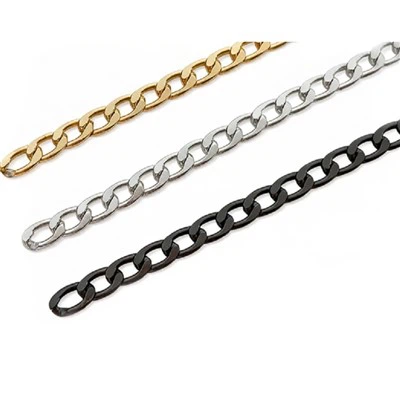
As a swing chain supplier, I am committed to providing high – quality, safe products. We use the best materials, follow strict manufacturing processes, and conduct regular testing to ensure that our swing chains meet or exceed safety standards.
Swing If you’re in the market for baby swing chains, I invite you to reach out to us for more information. We’d be happy to discuss our products, answer any questions you may have, and work with you to find the right swing chains for your needs. Whether you’re a manufacturer of baby swings or a retailer looking for a reliable supplier, we’re here to help. Contact us today to start a conversation about your swing chain requirements.
References
- Consumer Product Safety Commission (CPSC). Standards for baby products.
- European Committee for Standardization (CEN). Standards for baby swings and components.
- Industry research on materials science for swing chain manufacturing.
Pujiang Shenli Chain Co., Ltd.
We’re well-known as one of the most experienced swing chains suppliers in China, featured by quality products and low price. Please feel free to buy discount swing chains made in China here from our factory. Contact us for more details.
Address: No. 18, Zaifeng Road, Pujiang County, Zhejiang Province
E-mail: Chen@shenlichain.com
WebSite: https://www.chainshenli.com/
