Sherpa blankets, known for their plush texture and cozy warmth, have become a staple in many households around the world. As a supplier of these luxurious blankets, I often get asked the question: "Where are Sherpa blankets made?" In this blog post, I’ll take you on a journey to explore the origins of Sherpa blankets, the manufacturing process, and the factors that influence their production locations. Sherpa Blanket
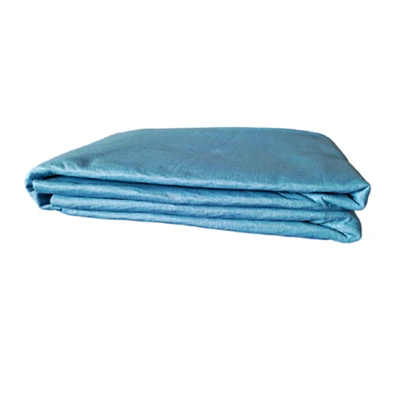
The Origins of Sherpa Blankets
The term "Sherpa" is associated with the Sherpa people, an ethnic group native to the mountainous regions of Nepal, particularly in the Everest region. The Sherpas are renowned for their mountaineering skills and their ability to thrive in high – altitude environments. Historically, they used thick, warm textiles made from natural fibers such as yak wool to keep themselves warm in the cold Himalayan climate.
Over time, the concept of these warm and soft textiles evolved into what we now know as Sherpa blankets. Initially, these blankets were hand – made by the Sherpa communities, using traditional weaving techniques passed down through generations. The use of natural materials like wool provided excellent insulation and durability.
Modern Manufacturing of Sherpa Blankets
In the modern era, Sherpa blankets are produced on a much larger scale to meet the global demand. While the traditional hand – made process still exists in some regions, most of the commercially available Sherpa blankets are manufactured using advanced machinery.
Raw Materials
The raw materials used in Sherpa blankets can vary. Natural fibers such as wool are still popular due to their warmth and softness. However, synthetic materials like polyester have also gained significant traction. Polyester is often used because it is more affordable, easier to clean, and can be engineered to mimic the softness of wool.
Manufacturing Process
The manufacturing process of Sherpa blankets typically involves several steps. First, the raw materials are prepared. If it’s wool, it needs to be cleaned, carded, and spun into yarn. For polyester, the polymer is melted and extruded into fibers.
Next, the yarn or fibers are woven on looms. The weaving pattern can vary, but a common one is a double – pile weave, which gives the blanket its characteristic fluffy texture. After weaving, the blanket goes through a finishing process, which may include washing, drying, and shearing to ensure a uniform and soft surface.
Common Production Locations
Nepal
Nepal remains an important production hub for Sherpa blankets, especially those that aim to retain the traditional feel and craftsmanship. The local artisans in Nepal continue to use traditional techniques, often with a blend of modern machinery to increase efficiency. The availability of local wool, especially from yaks, gives these blankets a unique and authentic quality. The high – altitude environment in Nepal also contributes to the quality of the fibers, as the animals are adapted to cold conditions, producing thicker and warmer wool.
However, production in Nepal can face challenges such as limited access to advanced technology and a relatively small – scale production capacity. This means that the cost of producing high – quality hand – made Sherpa blankets in Nepal can be higher compared to mass – produced alternatives.
China
China has emerged as a major player in the Sherpa blanket manufacturing industry. The country has a well – developed manufacturing infrastructure, with access to advanced machinery and a large labor force. Chinese manufacturers can produce Sherpa blankets in large volumes at a relatively low cost.
Most of the Sherpa blankets made in China use synthetic materials like polyester. The use of synthetic fibers allows for greater control over the quality and consistency of the blankets. Chinese manufacturers are also able to offer a wide range of colors and designs to meet the diverse preferences of global consumers.
However, some consumers may be concerned about the environmental impact of synthetic materials and the possibility of lower – quality products. It’s important for suppliers to source from reputable Chinese manufacturers to ensure high – quality standards.
India
India is another significant producer of Sherpa blankets. The country has a rich textile heritage, with a long history of hand – weaving and textile production. Indian manufacturers often combine traditional techniques with modern manufacturing processes.
Like Nepal, India has access to natural fibers such as wool, which are used in some Sherpa blankets. Indian – made Sherpa blankets are known for their intricate designs and patterns, often inspired by the country’s cultural heritage. The cost of production in India can be competitive, especially for products that are a blend of traditional and modern manufacturing.
Factors Influencing Production Locations
Cost
Cost is a major factor in determining where Sherpa blankets are made. Labor costs, raw material prices, and production overheads can vary significantly from one country to another. For example, labor costs in China are generally lower compared to Western countries, which allows for cost – effective mass production.
Availability of Raw Materials
The availability of raw materials plays a crucial role in production locations. Countries like Nepal and India have access to natural fibers such as wool, which is an important component in traditional Sherpa blankets. In contrast, countries with a well – developed synthetic fiber industry, like China, can easily source polyester for blanket production.
Technology and Infrastructure
Advanced technology and a well – developed infrastructure are essential for large – scale production. China has invested heavily in manufacturing technology, which enables efficient production processes. In contrast, some regions in Nepal may face challenges due to limited access to modern machinery and technology.
Market Demand
Market demand also influences production locations. If there is a high demand for traditional hand – made Sherpa blankets, production may be concentrated in regions like Nepal. On the other hand, if the market demands mass – produced, affordable blankets, countries with large – scale manufacturing capabilities like China may be the preferred production locations.
Quality Control
As a Sherpa blanket supplier, quality control is of utmost importance. Regardless of where the blankets are made, I ensure that strict quality control measures are in place. This includes inspecting the raw materials, monitoring the manufacturing process, and conducting final product inspections.
For blankets made in Nepal, I work closely with local artisans to ensure that traditional craftsmanship is maintained. In China and India, I partner with reputable manufacturers who have a proven track record of producing high – quality products. By implementing quality control measures, I can guarantee that my customers receive Sherpa blankets that meet their expectations in terms of softness, warmth, and durability.
Conclusion
In conclusion, Sherpa blankets are made in various locations around the world, each with its own unique advantages. Nepal offers traditional craftsmanship and the use of natural fibers, China provides cost – effective mass production, and India combines cultural heritage with modern manufacturing.
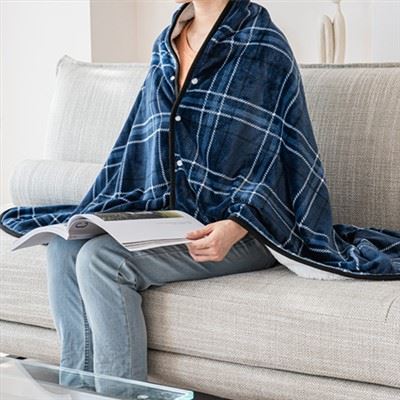
As a supplier, I am committed to providing high – quality Sherpa blankets to my customers. Whether you are looking for a traditional hand – made blanket or a mass – produced, affordable option, I can offer a wide range of products to meet your needs.
Summer Blanket If you are interested in purchasing Sherpa blankets for your business or personal use, I invite you to contact me to discuss your requirements. I am happy to provide samples, answer any questions you may have, and work with you to find the perfect Sherpa blankets for your needs.
References
- "Textile Industry in Nepal: A Review", Journal of Nepalese Textile Studies
- "China’s Manufacturing Industry: Trends and Challenges", International Journal of Manufacturing Technology
- "Indian Textile Heritage: A Cultural and Economic Perspective", Indian Journal of Textile History
Shaoxing Songqiao Textile Co., Ltd.
We are one of the most experienced sherpa blanket manufacturers and suppliers in China, specialized in providing high quality products and service for global clients. Please feel free to wholesale customized sherpa blanket at competitive price from our factory.
Address: No.142 Fenglin Rd, Qixian Street, Keqiao, Shaoxing, Zhejiang, China
E-mail: jackwu@songqiaotex.com
WebSite: https://www.sq-blanket.com/
