As a reputable supplier of pretreatment auxiliaries, I’ve witnessed the evolving landscape of the textile industry firsthand. One of the recurring questions I encounter, whether in trade shows or direct consultations with clients, is: Can pretreatment auxiliaries improve the drape of fabrics? Today, I’m diving deep into this topic to share my insights and experiences. Pretreatment Auxiliaries
Understanding Fabric Drape
Before delving into the role of pretreatment auxiliaries, it’s essential to understand what fabric drape is. Fabric drape refers to the way a fabric falls and hangs under its own weight. A fabric with good drape will flow smoothly and gracefully, creating soft folds and contours. In contrast, a fabric with poor drape may appear stiff, rigid, or form sharp, unnatural creases.
The drape of a fabric is influenced by several factors, including its fiber composition, weave or knit structure, thickness, and weight. For instance, natural fibers like silk and rayon often have excellent drape due to their smooth surface and fine denier. On the other hand, heavyweight materials or tightly woven fabrics may have limited drape.
The Role of Pretreatment Auxiliaries
Pretreatment auxiliaries are chemicals used in the early stages of textile processing to prepare the fabric for subsequent treatments such as dyeing, printing, or finishing. These auxiliaries can perform a variety of functions, including desizing, scouring, bleaching, and mercerizing.
So, how do pretreatment auxiliaries potentially improve fabric drape? Let’s explore some of the key mechanisms:
Softening and Lubrication
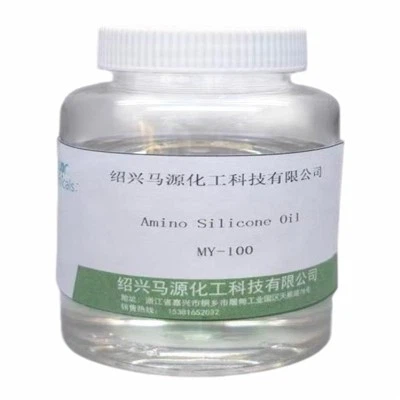
Some pretreatment auxiliaries are formulated to act as softeners and lubricants. These substances can penetrate the fabric structure and reduce the friction between fibers. When the fibers can move more freely against each other, the fabric becomes more flexible and pliable, resulting in improved drape. For example, silicone-based softeners create a smooth, slippery surface on the fibers, allowing them to glide over one another easily.
Fiber Swelling and Relaxation
Certain auxiliaries can cause the fibers to swell and relax. This is particularly relevant for natural fibers like cotton. When cotton fibers are treated with appropriate chemicals during pretreatment, they absorb moisture and expand. This swelling process relaxes the internal stresses within the fibers, making the fabric more supple and enhancing its drape. Additionally, this can also improve the fabric’s moisture absorption and dyeability.
Removal of Impurities
Pretreatment processes such as scouring and bleaching are designed to remove impurities from the fabric, including natural waxes, oils, and dirt. These impurities can make the fabric stiff and reduce its drape. By eliminating these substances, the fabric becomes cleaner and more breathable, allowing it to fall more naturally. Moreover, a clean fabric surface is more receptive to subsequent treatments, which can further enhance its properties, including drape.
Case Studies and Real-World Examples
Over the years, I’ve worked with numerous clients who have seen significant improvements in fabric drape after using our pretreatment auxiliaries. Here are a couple of notable examples:
Case Study 1: A Cotton Blended Fabric Manufacturer
A client who specialized in producing cotton-polyester blended fabrics was facing issues with the drape of their products. The fabrics appeared stiff and lacked the fluidity required for their high-end fashion applications. After conducting a detailed analysis, we recommended a customized pretreatment process using our high-performance scouring agent and a specialized softening auxiliary.
The scouring agent effectively removed the residual sizing agents and natural impurities from the fabric, while the softener provided a smooth, lubricating effect on the fibers. After implementing the new pretreatment process, the client reported a remarkable improvement in the drape of their fabrics. The fabrics now had a more elegant and flowing appearance, which led to increased customer satisfaction and a boost in sales.
Case Study 2: A Silk Fabric Producer
Another client, a silk fabric producer, was looking to enhance the drape and luster of their silk scarves. We suggested a pretreatment process that included a gentle bleaching step using our eco-friendly bleaching agent, followed by a treatment with a silk-specific softener.
The bleaching agent removed any natural yellowness from the silk, while the softener enhanced the smoothness and flexibility of the fibers. The result was a significant improvement in the drape of the silk scarves. The scarves now had a luxurious, flowing feel and a more vibrant sheen, which made them more appealing to consumers.
Challenges and Considerations
While pretreatment auxiliaries can offer significant benefits in terms of improving fabric drape, there are also some challenges and considerations that need to be addressed:
Compatibility with Fibers and Processes
Not all pretreatment auxiliaries are suitable for every type of fiber or textile process. It’s crucial to select the right auxiliaries based on the fabric composition, the desired end properties, and the specific processing conditions. For example, some auxiliaries may work well with natural fibers but may cause damage or undesirable effects on synthetic fibers.
Environmental Impact
In recent years, there has been a growing emphasis on sustainability in the textile industry. As a supplier, we are committed to providing environmentally friendly pretreatment auxiliaries. However, ensuring that the auxiliaries used not only improve fabric drape but also meet the strict environmental standards can be a challenge. This requires continuous research and development to formulate products that are both effective and eco-friendly.
Cost-Effectiveness
Implementing a pretreatment process with high-quality auxiliaries can add to the production cost. Therefore, it’s important for textile manufacturers to balance the cost of the auxiliaries with the potential benefits in terms of improved fabric drape and overall product quality. This may involve conducting cost-benefit analyses and finding the right combination of auxiliaries that offer the best value for money.
Conclusion: The Potential of Pretreatment Auxiliaries
In conclusion, pretreatment auxiliaries have the potential to significantly improve the drape of fabrics. Through softening, lubrication, fiber swelling, and the removal of impurities, these chemicals can enhance the flexibility, pliability, and overall aesthetic appeal of fabrics. Our real-world case studies have demonstrated the positive impact that our pretreatment auxiliaries can have on fabric drape.

As a supplier, I’m passionate about helping textile manufacturers achieve the best possible results with their products. Whether you’re looking to enhance the drape of your fabrics, improve their dyeability, or meet specific environmental standards, we have a range of high-quality pretreatment auxiliaries to meet your needs.
Functional Additives If you’re interested in learning more about how our pretreatment auxiliaries can benefit your textile production process, I encourage you to reach out to us for a consultation. We’d be delighted to discuss your requirements and provide you with customized solutions. Let’s work together to take your fabric quality to the next level.
References
- Textile Chemistry and Coloration, Volume 1: Principles of Dyeing, Arthur Slocombe, 2nd Edition.
- Handbook of Textile Fibre Structure, Volume 2: Natural Fibres, S. Kumar and R. J. Meredith.
- Chemical Processing of Textiles, Salvador Batra, 2nd Edition.
Shaoxing Mayor Chemical & Technology Co., Ltd.
We are one of the most reliable pretreatment auxiliaries manufacturers and suppliers in China, specialized in providing high quality products with low price. We warmly welcome you to buy discount pretreatment auxiliaries for sale here from our factory. For pricelist, contact us now.
Address: No. 78, Tianshun Road, Tudian Industrial Park, Tongxiang City, Jiaxing City, Zhejiang Province, China
E-mail: 627249875@qq.com
WebSite: https://www.mayorchemicals.com/
