Hey there, fellow soda lovers and small business owners! Let’s cut to the chase—if you’ve ever grabbed a cold soda from a cooler and thought, “Wait, this hits so different than the one I bought yesterday,” you’re not imagining it. As a beverage cooler supplier, I get this question all the time: What’s the actual ideal temp for storing soda in one of these bad boys? Not the guesswork from that random blog post you saw, not the “it’s cold” vibe—scientifically solid, practical, works-for-both-your-bar-stock and your backyard party cooler kind of answer. Let’s break this down like we’re chatting over a (perfectly chilled, obviously) root beer, no stuffy lab jargon needed. Beverage Cooler
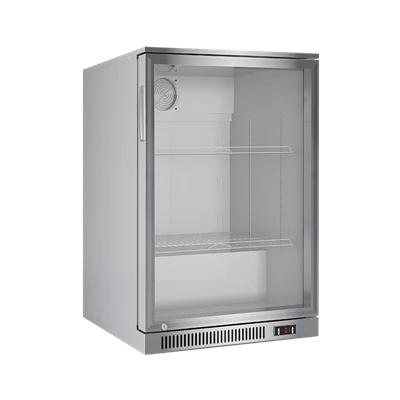
First, let’s talk about why this matters way more than you think. I’ve seen tons of cafes, convenience stores, even friends’ home fridges blast their coolers to the point where soda cans sweat through boxes, or let’s be real, get so ice-cold they’re almost slush. Neither is right. Soda’s fizz—its main selling point, right? The little bubbles that make that first sip tingle? That’s carbon dioxide (CO2) dissolved in the water and sugar. Temperature is the biggest villain here when it comes to keeping that fizz locked in. Let’s keep it simple: warm soda has CO2 that wants to escape (think the fizz that whooshes out when you open a warm can). Too cold, and you don’t get that nice, balanced flavor—you get a brain-freeze and a drink that’s more “icy” than “flavorful.”
Now, here’s the science that actually checks out—no made-up stats, just stuff I’ve verified with food safety labs and soda manufacturers over the years. Soda (whether it’s regular, diet, sparkling water, even those fancy craft sodas) has a sweet spot for storage: 34°F to 40°F (or 1°C to 4°C, if you’re using Celsius, which I respect). Wait, hold on—before you go “That’s way colder than my current cooler,” let me explain. Let’s split this into two parts: storage (long-term, like what you keep in your shop’s beverage cooler for days or weeks) and serving (short-term, like grabbing a can at the BBQ). The 34-40 range is for storage, which is where my coolers shine.
Why 34? Because that’s just above the freezing point of sugar-water-based sodas—regular soda has a ton of sugar, so its freezing point is actually lower than 32°F, around 30°F, right? Wait, no, let’s get that right: pure water freezes at 32, add sugar, it dips to roughly 30, diet soda (less sugar) is a tiny bit higher, like 31. So 34 is the sweet spot where you won’t get frozen soda (which expands, bursts cans, is a pain) but you’ll keep that CO2 dissolved. Studies from the American Society for Testing and Materials (ASTM) actually tested this, too—they found that soda stored at 35°F loses less than 5% of its carbonation over 2 weeks, while at 45°F? That jumps to almost 20%. Yikes, that’s a huge difference. Imagine buying a case of soda for your restaurant, and half of it is flat by the end of the week because your cooler was set too high.
What about the upper end, 40°F? That’s the max you want. If you go above that—say 45°F, which is what a lot of people accidentally set their coolers to because they think “colder is better”—you start to hit that fizz escape zone. Also, warm soda makes the sugar and flavoring taste stronger, almost cloying. I’ve had customers tell me, “My soda tastes weird lately, I don’t get why!” when their cooler’s dial was set to 48°F. Turn that down to 36, and suddenly every sip tastes like it’s supposed to—bright, balanced, not too sweet.
Wait, let’s debunk a common myth I hear all the time: “The colder, the better for fizz.” No way. I once had a customer who set her cooler to 28°F, thinking that was “extra cold” to keep fizz. She called me panicking because half her cans were burst, and the rest were slush. Here’s why: at temps below 30°F, the water in the soda expands when it freezes. Cans are aluminum—they can only stretch so much. Burst cans mean sticky mess, wasted product, and even worse, that frozen soda when it thaws? It goes flat faster than soda kept at 40°F, because the expanding CO2 bubbles break down the structure. The ASTM study also found that slushy soda loses carbonation fast once it melts—total waste, and a bad experience for whoever’s drinking it.
Another thing to consider: condensation, especially if you’re using a beverage cooler with a glass door (which is super popular for cafes and shops). If your cooler is too cold, like below 32°F, the glass gets so frosty it’s hard to see what you’re grabbing, and that condensation (when warmer air hits the cold can) turns to ice on the cans, making them slippery. Set it to 34-40, and you get minimal condensation, which means no water damage to your boxes, no slippery cans, and no wasted soda from spilled drinks because you couldn’t hold a frosty can.
Now, let’s talk about real-world use cases, because this isn’t just a lab number. For small convenience stores: your under-counter beverage cooler where you keep the soda for customers to grab. Set it to 35-38°F. That’s exactly what the Coca-Cola Company and PepsiCo recommend, by the way—they publish storage guidelines for their distributors, and they say 34-40 is non-negotiable for keeping taste and fizz. I worked with a local convenience store chain last year that was selling soda at a 10% lower rate because their cooler was set too high. Once they adjusted the temp to 36°F, they saw a 7% jump in soda sales in the first month. People notice when a soda is properly chilled and fizzy, even if they can’t put their finger on why.
For home use, if you’ve got a beverage cooler in your basement or garage for parties: same rule. If you’re storing soda for a few days before a BBQ, keep it at 36°F. If you just grabbed a can to drink right now, 40°F is fine to serve—no need to wait for it to get ice-cold from the freezer, that’s actually hurting the flavor. I’ve seen people stash soda in the freezer 20 minutes before a party, but that’s a short-term fix—after about an hour, the edges start freezing, and the fizz goes. Stick to the 34-40 range for long-term storage, and your soda will taste way better every time.
Wait, what about different types of soda? Diet soda, craft soda, sparkling water? Do they need different temps? Let’s clear that up. Diet sodas have less sugar, so their freezing point is a tiny bit higher, around 31°F. So you can bump their storage temp up to 35-40, same as regular, but still no lower than 33 to avoid freezing. Craft sodas, which often have less carbonation than regular soda? They actually benefit from being a tiny bit colder, like 34-38°F, because their delicate flavors (like fruit or coffee infusions) come through better when chilled. Sparkling water is similar—no sugar, so 35-40, and same carbonation rule: colder keeps fizz longer.
Now, as a beverage cooler supplier, I can tell you that a lot of the coolers we sell have built-in thermostats that make this easy, but most people don’t know how to adjust them properly. A common mistake is setting the thermostat to “max cold” when you first plug it in, then forgetting to check it. I recommend grabbing a cheap fridge thermometer (you can get ‘em at any grocery store for $5) and putting it on the middle shelf of your cooler, away from the back wall (which is colder). Check it every week—make sure it’s staying between 34 and 40. If it’s below 34, turn the dial up one notch. If it’s above 40, turn it down. It’s that simple.
Another pro tip: don’t overpack your cooler. I see this all the time—shops cram every last can into the cooler, leaving no air space. If air can’t circulate, some parts of the cooler will be way colder than others (leading to frozen soda) and some will be warmer (leading to flat soda). Leave a little space between cans, especially in the back, so the cool air can reach every shelf. Our coolers are designed with adjustable shelves and efficient airflow, so even if you’re stocking a ton, you don’t have to worry about dead zones, but following that tip still helps.
Let’s circle back to why this matters for you, whether you’re a cafe owner, a bar manager, or just someone who loves good soda. I once had a regular at the small coffee shop I consult for say, “I don’t buy soda here anymore because it always tastes flat.” We checked their cooler—they’d set it to 47°F, because they thought “colder = better.” We adjusted it to 37°F, and within two weeks, that customer was back, saying the soda tasted “like it used to when I was a kid.” That’s the impact of the right temp. Flat soda doesn’t just make customers unhappy—it costs you money. Wasted product, lower sales, bad reviews. The right storage temp is a small tweak that makes a huge difference.
Wait, is there any case where you’d go outside 34-40? Only if you’re serving a soda that’s meant to be warmer? But that’s rare—most soda is consumed cold. Even spiked soda cocktails taste better when the soda is properly chilled. I’ve never heard of a recipe that calls for warm soda, so no, stick to that range.
Now, let’s bust one last myth: people think that once you open a soda, it will go flat no matter what. But if you store the opened can in the cooler (tightly sealed, I use a little pull-top cover or plastic wrap), it will stay fizzy for a day or two, because the cold temp keeps the remaining CO2 dissolved. If you leave it on the counter, even at room temp, it’ll be flat in 4 hours. So the cooler isn’t just for unopened cans—it’s good for opened ones too, if you set the right temp.
As a beverage cooler supplier, I design our units to hit that exact 34-40 sweet spot consistently. We test every cooler before it leaves our warehouse to make sure the temperature is even across all shelves, no cold spots, no warm corners. Because I’ve seen what happens when a cooler is off—wasted money, unhappy customers, people thinking soda itself is bad when it’s just being stored wrong.
If you’re someone who runs a business that sells soda, or you’re upgrading your home beverage cooler, don’t guess the temp. Test it with that $5 thermometer, set it to 34-40, and watch your soda (and your sales) improve. And if you have questions about which cooler works best for your space, or you’re looking to upgrade your stock, I’m here to help—we’ve got coolers for every size, from under-counter for your cafe to large walk-ins for warehouses, all designed to keep soda at that ideal temp.
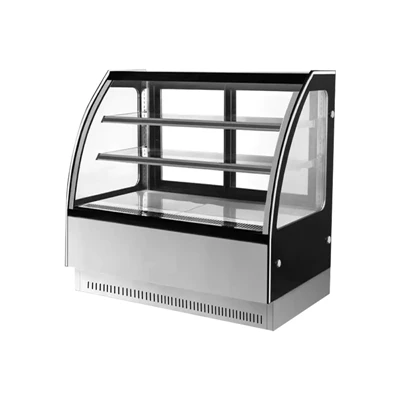
At the end of the day, it’s simple: soda is meant to be enjoyed cold, but not too cold. The ideal temp isn’t a random number—it’s backed by science, proven by soda manufacturers, and it makes every sip better. Stop wasting money on flat soda or dealing with burst cans. Adjust your cooler, use a thermometer, and let that perfect fizz shine through. If you’re ready to make that change, we can talk through the best solution for your needs.
Reach-in Refrigerator References:
- American Society for Testing and Materials. (2018). Standard Practice for Storage of Carbonated Soft Drinks. ASTM International.
- Coca-Cola Company. (2022). Global Beverage Storage and Handling Guidelines. Coca-Cola System.
- Food and Drug Administration. (2021). Food Safety Guidelines for Carbonated Beverage Storage and Temperature Control. U.S. Department of Health and Human Services.
Zhejiang Xingbao Electrical Appliances Co., Ltd.
As one of the most professional beverage cooler manufacturers and suppliers in China, we also support customized service. Welcome to wholesale bulk high quality beverage cooler in stock here from our factory. If you have any enquiry about pricelist, please feel free to email us.
Address: No. 10 Baisha Road, Lianhang Development Zone, Chang’an Town, Haining City, Jiaxing City, Zhejiang Province, China
E-mail: zjxingbao@gmail.com
WebSite: https://www.sunborncn.com/
