Hey everyone, it’s Jake here from your go-to melamine board supplier – and today we’re tackling one of the most asked questions I get from contractors, carpenters, DIYers, and even random folks scrolling through our site: Can melamine board be cut easily? Melamine Board

I get it, if you’ve never worked with melamine before, that smooth, laminated surface might feel intimidating. Like, is it gonna splatter all over your workshop? Is it gonna dull your saw blade in two seconds? Do you even need a fancy degree just to make a straight cut on it? Spoiler: No, you don’t. But there’s a lot of misinformation out there, and I’ve seen way too many people mess this up because they relied on some random Reddit tip from someone who’s never even held a power saw. Let’s break this down like we’re hanging out in my warehouse break room (minus the stale coffee, promise).
First, let’s get one thing straight: Melamine board isn’t some fancy, impossible-to-cut material. It’s actually particleboard or MDF wrapped in that thin melamine resin layer, right? That’s the stuff that gives it that scratch-resistant, wipe-clean finish everyone loves for kitchen cabinets, bookshelves, craft tables, even pet crates. The core is just regular engineered wood, so structurally, it cuts like any other wood-based panel – but the laminated surface is where the little quirks come in. That’s why people think it’s hard, but really, it’s just about using the right tools and tricks. I’ve been selling melamine boards for 12 years now, and I’ve helped thousands of first-timers get clean cuts without blowing half their workshop up.
Let’s start with the big question: How easy is it, really? For most people – even DIYers with a basic circular saw or a jigsaw – it’s way easier than solid hardwood. Solid oak or maple? You gotta deal with grain tear-out, sanding for hours, maybe even a planer if you’re fussy. Melamine? If you do it right, you get a cut that’s almost smooth enough to paint or even just leave as is (depending on the color). The only time it gets tricky is if you skip the prep work, grab a random blade you have lying around, or rush the cut. I once had a guy come in so mad, slamming a cut board on my counter, saying “your melamine is trash!” Turns out he used a 24-tooth blade he’d had since high school to cut 10 sheets at once. Oops.
Now, let’s talk tools – because this is where most mistakes happen. You don’t need a $5,000 table saw (though that’s ideal if you’re doing big orders for cabinets). You just need the right blade. For me, the sweet spot is a carbide-tipped crosscut blade with at least 60 to 80 teeth. Why so many teeth? The laminated melamine surface is thin, and coarse blades (like 24 or 30 teeth) will catch that layer, making it chip and splinter – especially on the top edge of your cut. Think of it like cutting a piece of paper with a butter knife vs. a pair of fabric scissors: More teeth = cleaner, smoother cut. I always tell customers if they only buy one thing for cutting melamine, make it that blade.
Wait, but what if you don’t have a fancy circular saw? A jigsaw works too, as long as you use a fine-tooth metal or wood blade (again, 60+ teeth) and go slow. Hand saws? Yeah, they work, but they’re way slower and more likely to cause tear-out if you’re not precise. I’d only recommend hand saws for tiny, one-off cuts, not building a whole bookshelf.
Here’s another pro tip I learned early on: Clamping a straight edge down first. Whether you’re using a circular saw or a jigsaw, a straight edge (like a long piece of wood or a metal ruler) keeps your cut dead straight, no wiggling. If you just freehand it, you’re almost guaranteed to get a jagged line, and that’s when people start saying “melamine is hard to cut.” I’ve had new carpenters skip this step, mess up a $20 sheet of melamine, and come back swearing they need a bigger saw. Clamp that edge, guys – it takes 10 seconds and saves you from a huge headache.
Oh, and about that tear-out everyone hates – that splintered, chipped edge on the back of the cut? Total fix. Just flip the board upside down when you cut it. The melamine surface that’s facing down when you cut will have the clean edge, and the side with the laminated layer will be the one the blade scrapes against. Wait, no – hold on, let me get that right. If you’re cutting a sheet, mark your cut line on the top (the nice, finished side), place the board so the finished side is facing down on your saw horses or workbench. That way, when the blade comes up through the bottom, it’s cutting through the particleboard/MDF first, and the melamine layer on the top is the last thing being cut. So the tear-out happens on the bottom, which you’ll probably never see (unless you’re building a floating shelf, then you just sand that tiny bit). I’ve had so many people test this, and now they swear by it – game changer.
What if you’re cutting melamine with a router? For edge trim or shaping, same rule applies: Fine teeth, slow speed, maybe a scoring bit first to prevent chip-out. I don’t deal much with custom router work, but I’ve heard from customers that if you don’t use a scoring bit, you’ll get way more splinters than if you score the cut line first with a small, shallow cut before making the full depth. That’s another good trick if you’re doing curved cuts with a jigsaw, by the way – score the line lightly first so the blade doesn’t tear the surface as it goes around curves.
Wait, but what about when it’s NOT easy? Let’s be real, it’s not always perfect. If you’re cutting super thick melamine (like 1-inch melamine for countertops, not the standard 1/4 or 3/4 inch), you might have to make two passes instead of one – that goes for any saw. Go too deep at once, and the blade will bind, which can cause kickback (not dangerous, but definitely messy). Also, if you’re using a table saw, make sure your blade is set at the right height – just a tiny bit above the thickness of the melamine, so you don’t have extra blade rubbing against the back of the board. That extra friction will dull your blade way faster and cause more splintering.
I get a lot of questions about whether it’s harder to cut than regular plywood. Let’s compare: Plywood has more layers, so grain tear-out is common on coarse blades. Melamine’s surface is harder than soft plywood, but the core is similar. If you use the right blade, melamine cuts smoother than birch plywood, no question. I’ve seen DIYers come in saying “I cut plywood all the time, why is this melamine so weird?” and it’s always because they used the same 30-tooth blade they use for framing. Swap that blade, and suddenly they’re saying “oh, this is way easier than I thought.”
Another thing to watch out for: Dust. Melamine dust isn’t like wood dust – it’s got melamine resin in it, so it’s fine and can irritate your lungs if you breathe too much of it. I always tell customers to wear a mask when cutting, maybe even goggles if you’re doing a lot of cuts. It’s not toxic in small amounts, but nobody wants to cough up dust for the rest of the day. Also, clean your blade after cutting melamine every few sheets – the resin can build up on the teeth and make them dull faster. I keep a little can of compressed air in my warehouse to blow dust off blades, and I recommend all my customers do the same.
Let’s talk about common myths, because I’ve heard them all. Myth #1: You need a circular saw with a guide rail. Yeah, a guide rail helps for super long cuts, but most people don’t need it. A straight edge and a few clamps work just as well for 4-foot or 8-foot sheets. Myth #2: You have to use a special melamine saw. No, the blade is the special part, not the saw. Your existing circular saw or jigsaw will work fine, as long as you get that 60-tooth carbide blade. Myth #3: Melamine can only be cut on a table saw. Nope, I’ve cut hundreds of sheets with a corded circular saw in my driveway at 7 AM on a Saturday, no table saw needed.
Wait, what about for small cuts, like for craft projects? If you’re cutting tiny pieces, like for a dollhouse or a sign, a utility knife works too! Score the line multiple times, then snap the board along the score. That gives you a clean edge, no power tools needed. I have a niece who makes wooden signs, and she swears by that for small pieces. Way easier than fumbling with a small jigsaw for a tiny cut.
Now, let’s get real: Is it “easy”? For 99% of people, yes – as long as you prep, use the right tools, and don’t rush. The only time it’s a pain is when you skip the basics. I once had a professional carpenter come to me, frustrated, saying he messed up a bunch of cabinet cuts because he was using a dull blade he’d used for a week straight. He swapped the blade I sold him, made all the cuts in 10 minutes, and came back an hour later to buy 5 more blades. That’s how it goes.
So, if you’re planning a project – kitchen cabinets, bookshelves, a play table for the kids, whatever – don’t let the fear of cutting melamine stop you. It’s way more forgiving than solid wood or even some types of MDF, as long as you follow the simple rules: Fine teeth blade, straight edge, flip the board for clean edges, and take your time.
At the end of the day, I’ve been doing this long enough to know that the biggest barrier to working with melamine is the fear that it’s too hard to cut. But it’s not. It’s just like any other building material – you gotta use the right gear and a little common sense. If you’re still unsure, hit me up – I’m always here to walk through what tools work best for your project, answer questions, or even give you a quick tip when you’re mid-cut and realize you forgot something.
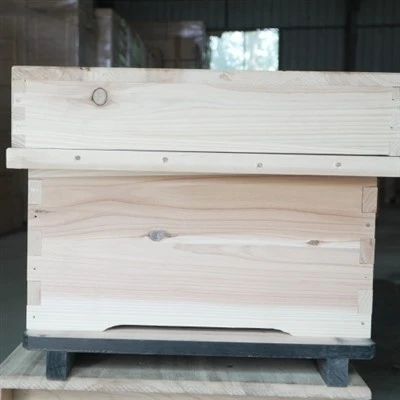
We’ve got all the melamine boards you need – standard sizes, custom cuts even, if you don’t want to mess with cutting it yourself. Just reach out to our team, and we’ll hook you up with whatever you need for your next project. No hidden fees, no weird fine print, just solid melamine and good advice.
Coffin Accessories References:
- Woodworking Network. (2022). Best Practices for Cutting Melamine Laminated Panels. Retrieved from industry woodworking publications
- The Family Handyman. (2021). How to Cut Melamine Without Splintering. Home improvement guide for DIYers and contractors
- Consumer Reports. (2020). Guide to Working with Engineered Wood Panels for Home Projects. Product safety and project resource guide for residential builders
Dongming Dasheng Wood Industry Co., Ltd.
We are one of the most professional melamine board manufacturers and suppliers in China. With abundant experience, we warmly welcome you to wholesale customized melamine board made in China here from our factory. If you have any enquiry about cooperation, please feel free to email us.
Address: East side of Matou Town Government, Dongming County
E-mail: dmds2001@126.com
WebSite: https://www.dashengwood.com/
