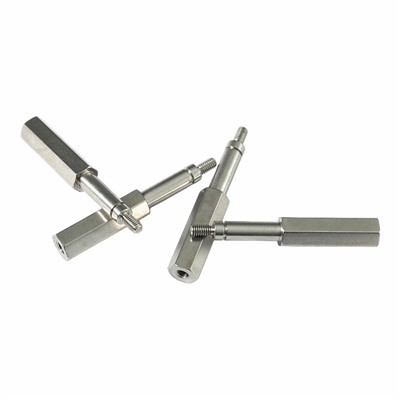
CNC turning is a precision manufacturing process that involves the use of computer numerical control (CNC) machines to shape a workpiece by rotating it against a cutting tool. As a CNC turning supplier, I understand the importance of providing high-quality products at a reasonable cost. In this blog post, I will explore the various factors that contribute to the cost of CNC turning and how they impact the overall pricing of our services. CNC Turning
Material Costs
One of the primary factors that influence the cost of CNC turning is the material used for the workpiece. Different materials have different costs, and the choice of material can significantly affect the overall price. For example, metals such as aluminum, steel, and brass are commonly used in CNC turning, and their prices can vary depending on factors such as availability, quality, and market demand.
Aluminum is a popular choice for CNC turning due to its lightweight, corrosion resistance, and good machinability. It is also relatively inexpensive compared to other metals, making it a cost-effective option for many applications. Steel, on the other hand, is known for its strength and durability, but it can be more expensive than aluminum, especially if high-quality grades are required. Brass is another commonly used material in CNC turning, and it offers good conductivity and corrosion resistance. However, brass can also be relatively expensive, especially if it contains high levels of copper.
In addition to the base material cost, there may also be additional costs associated with the material, such as heat treatment, surface finishing, and coating. These processes can enhance the properties of the material and improve its performance, but they also add to the overall cost. As a CNC turning supplier, we work closely with our customers to select the most appropriate material for their specific application and budget.
Machine Setup and Programming
Another significant factor that contributes to the cost of CNC turning is the machine setup and programming. Before a CNC turning operation can begin, the machine must be set up and programmed to perform the desired operations. This involves tasks such as selecting the appropriate cutting tools, setting the cutting parameters, and loading the workpiece onto the machine.
The machine setup process can be time-consuming and requires skilled operators to ensure that the machine is set up correctly. In addition, the programming of the CNC machine can be complex and requires specialized knowledge and expertise. The cost of machine setup and programming can vary depending on the complexity of the job and the experience of the operator.
To minimize the cost of machine setup and programming, we use advanced CNC machines that are equipped with the latest technology and software. These machines are capable of performing complex operations with high precision and efficiency, reducing the time and effort required for setup and programming. We also invest in training our operators to ensure that they have the skills and knowledge necessary to operate the machines effectively.
Cutting Tool Costs
Cutting tools are an essential component of the CNC turning process, and their cost can have a significant impact on the overall cost of the job. The choice of cutting tool depends on several factors, including the material being machined, the cutting parameters, and the desired surface finish.
There are several types of cutting tools available for CNC turning, including carbide inserts, high-speed steel (HSS) tools, and ceramic tools. Carbide inserts are the most commonly used cutting tools in CNC turning due to their high hardness, wear resistance, and cutting performance. However, carbide inserts can be relatively expensive, especially if they are made from high-quality materials.
HSS tools are another option for CNC turning, and they are generally less expensive than carbide inserts. However, HSS tools have lower hardness and wear resistance compared to carbide inserts, which can limit their performance and lifespan. Ceramic tools are a relatively new type of cutting tool that offers high hardness and wear resistance, but they are also more expensive than carbide inserts and HSS tools.
To reduce the cost of cutting tools, we work closely with our tooling suppliers to source high-quality cutting tools at competitive prices. We also optimize our cutting parameters to minimize tool wear and extend the lifespan of the cutting tools. In addition, we regularly monitor the performance of our cutting tools and replace them when necessary to ensure that we are using the most efficient and cost-effective tools for the job.
Labor Costs
Labor costs are another significant factor that contributes to the cost of CNC turning. The CNC turning process requires skilled operators to set up and operate the machines, monitor the cutting process, and perform quality control checks. The cost of labor can vary depending on factors such as the location of the manufacturing facility, the experience and skill level of the operators, and the prevailing wage rates in the area.
To minimize labor costs, we invest in training our operators to ensure that they have the skills and knowledge necessary to operate the machines effectively. We also use advanced automation technology to reduce the amount of manual labor required in the CNC turning process. For example, we use robotic loading and unloading systems to automate the handling of workpieces, which reduces the time and effort required for manual labor.
Overhead Costs
In addition to the direct costs associated with material, machine setup, cutting tools, and labor, there are also indirect costs, known as overhead costs, that contribute to the overall cost of CNC turning. Overhead costs include expenses such as rent, utilities, insurance, equipment maintenance, and administrative costs.
The overhead costs can vary depending on the size and location of the manufacturing facility, the type of equipment used, and the level of production. To minimize overhead costs, we optimize our production processes to increase efficiency and reduce waste. We also negotiate favorable contracts with our suppliers to reduce the cost of raw materials and other supplies.
Pricing Strategy
As a CNC turning supplier, we use a variety of pricing strategies to ensure that we are providing high-quality products at a competitive price. Our pricing strategy takes into account the various factors that contribute to the cost of CNC turning, including material costs, machine setup and programming, cutting tool costs, labor costs, and overhead costs.
We offer our customers a range of pricing options, including fixed-price contracts, cost-plus contracts, and time-and-materials contracts. Fixed-price contracts are suitable for jobs with well-defined specifications and requirements, and they provide our customers with a clear understanding of the total cost of the project. Cost-plus contracts are suitable for jobs with uncertain specifications or requirements, and they allow our customers to pay for the actual cost of the materials, labor, and overhead, plus a markup for profit. Time-and-materials contracts are suitable for jobs that require a high degree of flexibility and customization, and they allow our customers to pay for the actual time and materials used in the project.
Conclusion
In conclusion, the cost of CNC turning is influenced by a variety of factors, including material costs, machine setup and programming, cutting tool costs, labor costs, and overhead costs. As a CNC turning supplier, we understand the importance of providing high-quality products at a reasonable cost. We work closely with our customers to select the most appropriate material for their specific application and budget, optimize our production processes to increase efficiency and reduce waste, and use a variety of pricing strategies to ensure that we are providing competitive pricing.
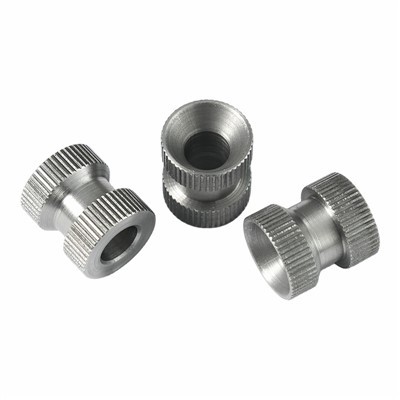
Stainless Steel Turned Parts If you are interested in learning more about our CNC turning services or would like to discuss your specific requirements, please contact us. We would be happy to provide you with a quote and answer any questions you may have.
References
- ASM Handbook, Volume 20: Materials Selection and Design, ASM International, 2001.
- Machining Handbook, 31st Edition, Industrial Press, 2012.
- CNC Programming Handbook, 4th Edition, Industrial Press, 2015.
Huizhou Quanyi Precision Hardware Products Co., Ltd.
We’re well-known as one of the leading CNC turning manufacturers and suppliers in China, featured by quality products and good service. Please rest assured to buy customized CNC turning made in China here from our factory. Contact us for more details.
Address: Building A10, 7th Floor, Zhongchuangyingke 5G Industrial Park, Zhonghan Industrial Park, Tonghu Town, Huizhou City
E-mail: info@qycncturning.com
WebSite: https://www.qycncturning.com/
