Do cutting map pads have a non – slip surface? Cutting Map Pad
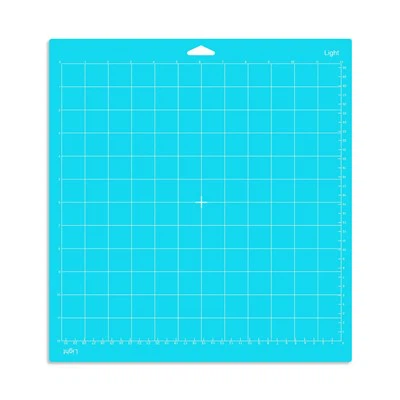
As a supplier of cutting map pads, I’ve encountered numerous inquiries from customers regarding the non – slip feature of our products. This is a critical aspect that directly impacts the usability and safety of the cutting map pads, especially in professional and high – volume work environments.
The Importance of Non – Slip Surface
In the realm of mapping and precision cutting, having a stable work surface is essential. A cutting map pad with a non – slip surface prevents unwanted movement during the cutting process. When a user is tasked with making intricate cuts on a map, even the slightest shift can lead to inaccurate cuts, ruining the map and wasting time and resources. In a professional setting, such as a mapping studio or a geological research facility, precision is of the utmost importance. Mistakes can have far – reaching consequences, from misrepresented geographical data to incorrect research results.
Furthermore, safety is a paramount concern. A non – slip surface reduces the risk of accidents. When the pad is firmly in place, there is less chance of the cutting tool slipping due to the movement of the pad, which can cause injury to the user. In a busy workspace, where multiple people may be using the cutting map pads simultaneously, a non – slip surface helps maintain a safe and productive environment.
Technical Features for Non – Slip Functionality
To ensure that our cutting map pads have a non – slip surface, we have incorporated several technical features. Firstly, the material at the base of the pad is a key factor. We use a specialized rubber – like compound that has high friction properties. This compound adheres well to most flat surfaces, such as desks and workbenches. The rubber material is also durable, able to withstand repeated use and cleaning without losing its non – slip characteristics.
The texture of the base surface is another important aspect. We have designed a micro – textured pattern on the bottom of the pad. This pattern increases the contact area between the pad and the work surface, enhancing the frictional force. The micro – texture is carefully engineered to be fine enough not to cause scratches on the workbench but coarse enough to provide a reliable non – slip grip.
Testing and Quality Assurance
Before our cutting map pads are released to the market, they undergo rigorous testing procedures to ensure the effectiveness of the non – slip surface. We conduct static friction tests on various types of work surfaces, including wooden, plastic, and metal desks. In these tests, we place a heavy weight on the pad and measure the force required to move it horizontally. The results are compared against our strict quality standards to ensure that the non – slip performance meets or exceeds expectations.
We also conduct dynamic tests that simulate real – world usage scenarios. For example, we simulate the motion of a cutting tool being used on the pad while it is placed on a slightly tilted surface. This helps us understand how the non – slip surface performs under different working conditions and whether it can maintain stability during the cutting process.
Customer Feedback and Real – World Applications
Over the years, we have received a great deal of positive feedback from our customers regarding the non – slip surface of our cutting map pads. Many professional cartographers have reported that the non – slip feature has significantly improved their work efficiency. They no longer have to worry about the pad moving during the cutting process, which allows them to focus on the precision of their cuts.
In educational institutions, such as geography and geology departments, our cutting map pads are widely used. Teachers and students alike appreciate the safety and stability provided by the non – slip surface. It enables students to learn the art of map cutting without the fear of making mistakes due to a slippery pad.
Comparison with Competitors
When comparing our cutting map pads with those of our competitors, our non – slip surface stands out. Some of our competitors’ products may claim to have a non – slip feature, but in reality, their performance falls short. Our comprehensive testing and quality control measures ensure that our non – slip surface is more effective and long – lasting.
For example, some competitors may use a simple spray – on coating to create a non – slip effect. However, this coating can wear off quickly with regular use, leaving the pad slippery again. In contrast, our integrated rubber – based non – slip solution is an inherent part of the pad’s design, providing consistent performance over a long period.
Maintaining the Non – Slip Surface
To ensure that the non – slip surface of our cutting map pads maintains its effectiveness over time, we recommend some simple maintenance steps. Regular cleaning is crucial. Dust, debris, and other contaminants can accumulate on the non – slip surface, reducing its friction. We suggest using a mild soap and water solution to clean the bottom of the pad. After cleaning, it should be thoroughly dried before reuse.
Avoid exposing the pad to extreme temperatures or harsh chemicals. High temperatures can cause the rubber material to lose its elasticity and non – slip properties, while harsh chemicals can damage the micro – textured surface.
Conclusion and Call to Action
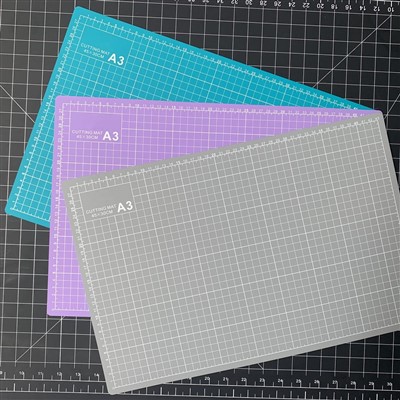
In conclusion, our cutting map pads do indeed have a reliable non – slip surface. Through advanced material selection, careful design, and rigorous testing, we have created a product that meets the high – standards required in professional and educational settings. Whether you are a professional cartographer, a researcher, or a student, our cutting map pads with a non – slip surface will enhance your work experience and ensure precision and safety.
Cutting Mat Pad If you are interested in purchasing our cutting map pads or would like to discuss your specific requirements, please feel free to contact us. We are more than happy to assist you with any inquiries and look forward to the opportunity of working with you.
References
- ASTM International. (20XX). Standard test methods for determining the coefficient of friction of floor surfaces.
- ISO (International Organization for Standardization). (20XX). International standards related to surface friction and safety features of work equipment.
Dongguan Tensoa Technology Co., Ltd.
Address: Room 201, Building 2, No. 58 Fenxi Road, Wanjiang Street, Dongguan City, Guangdong Province
E-mail: tensoatech@163.com
WebSite: https://www.tensoatech.com/
