Hey there! I’m working for a medical sealer supplier, and today I wanna chat about how a medical sealer stacks up against traditional sutures. Medical Sealer

Let’s start with understanding what each of these things is. Traditional sutures, you’ve probably seen them in movies or even in real – life medical settings. They’re basically threads or stitches used to hold the edges of a wound together. Surgeons use a needle to thread the suture material through the tissues around the wound, pulling them tight so the wound can heal. It’s been the go – to method for closing wounds for ages, and it has a lot of history behind it.
On the other hand, medical sealers are a more modern invention. They’re substances, usually in a liquid or gel form, that can be applied directly to the wound. Once applied, they form a seal, kind of like a protective layer over the wound, and help it stay closed.
First up, let’s talk about the application process. With traditional sutures, it’s a bit of a detailed and time – consuming job. Surgeons need to carefully thread the needle through the tissue, making sure they’re getting it at the right depth and spacing. This can take a while, especially if the wound is large or in a tricky area like near a joint. And it requires a fair amount of skill. If the stitches are too tight, it can cut off blood circulation to the area, and if they’re too loose, the wound might not close properly.
In contrast, applying a medical sealer is often quicker and easier. You just squeeze it out or brush it onto the wound. It doesn’t need a needle – and – thread action, so there’s less risk of poking through other important structures in the body. This is really handy in emergency situations where time is of the essence. For example, in a trauma ward where doctors are dealing with multiple patients, they can use a medical sealer to quickly close a wound and move on to the next patient faster.
Another big difference is in the patient’s experience. When you get sutures, it can be pretty uncomfortable. The needle going through the skin is painful, even with local anesthesia. And for a few days or even weeks after the sutures are in place, there can be some discomfort as the skin and tissues around the wound are being pulled. Sometimes, the sutures can also get snagged on clothes or other things, which is really annoying.
Medical sealers are much more patient – friendly in this regard. Since there are no needles, there’s no stabbing pain during application. And after it’s applied, it forms a smooth, flexible layer over the wound. Patients often report less discomfort and irritation. It’s also less likely to get caught on things, so they can go about their normal activities with fewer annoyances.
When it comes to wound healing, both have their pros and cons. Traditional sutures provide direct physical support to hold the wound edges together. This helps in accurate tissue apposition, which means the two sides of the wound are lined up exactly right for healing. However, they can also cause some issues. The suture material itself can be a foreign body in the body, and the body might have an immune response to it. This can lead to inflammation and slower healing in some cases. Also, when the sutures are removed, there’s a small risk of the wound reopening.
Medical sealers, on the other hand, create a barrier that protects the wound from external contaminants like bacteria. This can reduce the risk of infection. They also allow for more natural movement of the tissues around the wound because they’re flexible. Some medical sealers even have properties that can promote cell growth and speed up the healing process. But they might not be as effective as sutures in cases where a strong, rigid hold is needed, like in deep or high – tension wounds.
In terms of cosmetic results, medical sealers often have an edge. Since there are no suture marks left behind, the wound can heal with a much smoother appearance. After suture removal, there can be small scars or marks where the stitches were. This is a big deal, especially for wounds on visible parts of the body, like the face.
Now, let’s talk about the cost aspect. Traditional sutures are relatively inexpensive. They’ve been around for so long, and the manufacturing process is well – established, so the cost of producing them is low. However, when you factor in the longer application time, which means more time in the operating room, and the possibility of more follow – up visits for suture removal, the overall cost can add up.
Medical sealers are generally more expensive upfront. But when you consider the reduced time in the operating room, fewer follow – up visits, and potentially faster healing, they can actually be more cost – effective in the long run.
As a medical sealer supplier, I’ve seen the benefits of our product in various healthcare settings. I’ve heard from surgeons who love the quick application and the patient – friendly nature of medical sealers. They tell me that it allows them to work more efficiently, especially in busy clinics and hospitals.
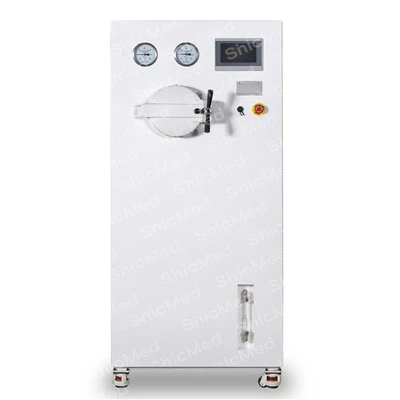
So, if you’re a healthcare provider, whether you’re in a large hospital, a small clinic, or an emergency medical service, I really think you should consider giving medical sealers a try. They can be a great addition to your wound – closing toolkit. If you’re interested in learning more about our medical sealers, seeing samples, or having a chat about how they can work for you, just reach out to us for a procurement discussion. We’re here to help you make the best choice for your patients.
Medical Waste Treatment References:
- "Wound Closure Methods: A Comparative Analysis" – Journal of Medical Innovations
- "Advances in Medical Sealing Technology" – Medical Technology Review
- "Patient – Reported Outcomes of Suture vs. Sealer Wound Closure" – Patient Care Journal
Sinicmed Engineering Co., Ltd.
As one of the most professional medical sealer manufacturers and suppliers in China, we’re featured by quality products and good service. Please rest assured to buy customized medical sealer at competitive price from our factory. Also, quotation is available.
Address: No.251 Shangcheng, Liuquan Road, Zhangdian District, Zibo City, Shandong Province, China
E-mail: sales@sinicmedtech.com
WebSite: https://www.sinicmedtech.com/
