What is the role of the feeding system in a shearing machine?
As a seasoned supplier of shearing machines, I’ve witnessed firsthand the pivotal role that the feeding system plays in the performance and efficiency of these essential industrial tools. In this blog post, I’ll delve into the significance of the feeding system, exploring its functions, types, and the impact it has on the overall operation of a shearing machine. Shearing Machine

The Basics of a Shearing Machine
Before we dive into the feeding system, let’s briefly review the fundamental operation of a shearing machine. A shearing machine is a device used to cut metal sheets, plates, or bars into desired shapes and sizes. It operates by applying a shearing force to the material, causing it to fracture along a predetermined line. The shearing process is commonly used in various industries, including automotive, construction, manufacturing, and metalworking.
The Role of the Feeding System
The feeding system is a critical component of a shearing machine that is responsible for delivering the material to the cutting area in a controlled and precise manner. It ensures that the material is properly positioned, aligned, and fed at the correct speed to achieve accurate and efficient cutting. Here are some key roles of the feeding system:
Material Positioning and Alignment
One of the primary functions of the feeding system is to position and align the material accurately in relation to the cutting blades. This is crucial for achieving precise cuts and minimizing waste. The feeding system typically includes mechanisms such as guides, rollers, and clamps that hold the material in place and ensure that it is fed straight and centered into the cutting area.
Material Feeding Speed Control
The feeding system also controls the speed at which the material is fed into the shearing machine. This is important for maintaining a consistent cutting quality and avoiding overloading the machine. The feeding speed can be adjusted based on the type and thickness of the material, as well as the desired cutting length and speed.
Material Feeding Accuracy
In addition to positioning and speed control, the feeding system must also ensure accurate feeding of the material. This means that the material must be fed in precisely measured increments to achieve the desired cut length. The feeding system may use sensors, encoders, or other measuring devices to monitor and control the feeding accuracy.
Continuous Feeding
Many shearing machines are designed for continuous operation, meaning that they can process large volumes of material without interruption. The feeding system plays a crucial role in enabling continuous feeding by ensuring a smooth and consistent flow of material into the cutting area. This may involve using conveyor belts, rollers, or other feeding mechanisms to transport the material from a storage area to the shearing machine.
Material Handling and Safety
The feeding system also has an important role to play in material handling and safety. It must be designed to handle the weight and size of the material being processed, and to ensure that it is fed into the machine safely and without causing damage. The feeding system may include safety features such as guards, sensors, and emergency stop buttons to prevent accidents and injuries.
Types of Feeding Systems
There are several types of feeding systems commonly used in shearing machines, each with its own advantages and disadvantages. Here are some of the most common types:
Manual Feeding System
A manual feeding system is the simplest and most basic type of feeding system. It involves the operator physically pushing or pulling the material into the shearing machine. Manual feeding systems are typically used for small-scale operations or for materials that are difficult to feed automatically. While manual feeding systems are inexpensive and easy to operate, they are also labor-intensive and may result in inconsistent cutting quality.
Roller Feeding System
A roller feeding system uses a series of rollers to grip and feed the material into the shearing machine. The rollers are powered by a motor and can be adjusted to control the feeding speed and pressure. Roller feeding systems are commonly used for feeding thin to medium-thick materials and are known for their accuracy and reliability. They are also relatively easy to operate and maintain.
Belt Feeding System
A belt feeding system uses a conveyor belt to transport the material into the shearing machine. The belt is powered by a motor and can be adjusted to control the feeding speed. Belt feeding systems are commonly used for feeding large volumes of material and are known for their high throughput and efficiency. They are also suitable for feeding materials of various shapes and sizes.
Gripper Feeding System
A gripper feeding system uses a set of grippers to hold and feed the material into the shearing machine. The grippers are powered by a motor and can be adjusted to control the feeding speed and pressure. Gripper feeding systems are commonly used for feeding thick or heavy materials and are known for their high feeding force and accuracy. They are also suitable for feeding materials with irregular shapes or surfaces.
Impact of the Feeding System on Shearing Machine Performance
The quality and performance of the feeding system can have a significant impact on the overall performance of the shearing machine. Here are some of the ways in which the feeding system can affect the shearing machine:
Cutting Accuracy
The accuracy of the feeding system directly affects the cutting accuracy of the shearing machine. A precise and consistent feeding system ensures that the material is cut to the desired length and width, with minimal variations. This is particularly important for applications that require high precision, such as in the aerospace or automotive industries.
Cutting Efficiency
The efficiency of the feeding system also affects the cutting efficiency of the shearing machine. A fast and reliable feeding system allows the machine to process more material in less time, increasing productivity and reducing costs. This is particularly important for high-volume production environments.
Material Waste
The feeding system can also have an impact on the amount of material waste generated during the shearing process. A well-designed feeding system ensures that the material is fed straight and centered into the cutting area, minimizing the amount of scrap material. This reduces waste and saves on material costs.
Machine Safety
The feeding system plays a crucial role in ensuring the safety of the operator and the machine. A properly designed feeding system includes safety features such as guards, sensors, and emergency stop buttons to prevent accidents and injuries. It also ensures that the material is fed into the machine safely and without causing damage.
Choosing the Right Feeding System
When choosing a feeding system for a shearing machine, there are several factors to consider. Here are some of the key factors to keep in mind:
Material Type and Thickness
The type and thickness of the material being processed will determine the type of feeding system that is most suitable. For example, thin to medium-thick materials can be fed using a roller or belt feeding system, while thick or heavy materials may require a gripper feeding system.
Cutting Length and Speed
The desired cutting length and speed will also affect the choice of feeding system. A high-speed feeding system is required for applications that require fast cutting speeds, while a more precise feeding system is needed for applications that require high cutting accuracy.
Production Volume
The production volume will also determine the type of feeding system that is most appropriate. For high-volume production environments, a continuous feeding system such as a belt or roller feeding system may be required, while a manual or intermittent feeding system may be sufficient for low-volume production.
Budget
The budget is also an important consideration when choosing a feeding system. Manual feeding systems are the least expensive, while automated feeding systems such as roller, belt, or gripper feeding systems are more costly. It’s important to choose a feeding system that meets your requirements and budget.
Conclusion
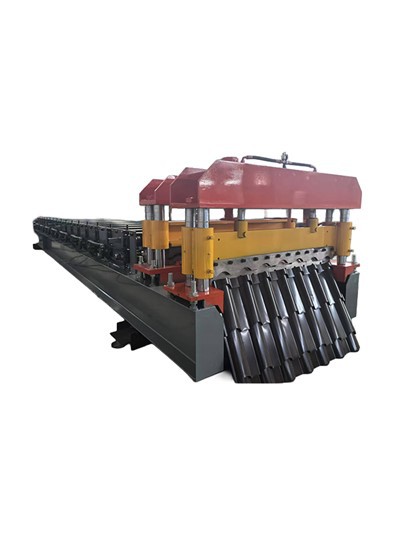
In conclusion, the feeding system is a crucial component of a shearing machine that plays a vital role in its performance and efficiency. It ensures that the material is properly positioned, aligned, and fed into the cutting area in a controlled and precise manner. By choosing the right feeding system for your shearing machine, you can improve cutting accuracy, increase productivity, reduce waste, and enhance machine safety.
Metal Sheet Roll Cold Rolling Forming Equipment If you’re in the market for a shearing machine or need assistance in choosing the right feeding system for your application, please don’t hesitate to contact us. Our team of experts is available to provide you with personalized advice and guidance to help you make the best decision for your business. We look forward to the opportunity to work with you and to help you achieve your production goals.
References
- ASM Handbook, Volume 6: Welding, Brazing, and Soldering. ASM International, 1993.
- Metals Handbook Desk Edition, 2nd Edition. ASM International, 1998.
- Welding Handbook, Volume 1: Welding Science and Technology, 9th Edition. American Welding Society, 2012.
- Machining and Metal Cutting Handbook, 3rd Edition. Industrial Press, 2004.
Wuxi Yuanding Machinery Manufacturing Co., Ltd.
We’re well-known as one of the leading shearing machine manufacturers and suppliers in China, also support customized service. Please feel free to buy advanced shearing machine made in China here from our factory. For pricelist, contact us now.
Address: Yaguang Industrial Park, No. 88 Chaoyang South Road, Xishan District, Wuxi City, Jiangsu Province
E-mail: 13861798466@163.com
WebSite: https://www.wxyuanding.com/
