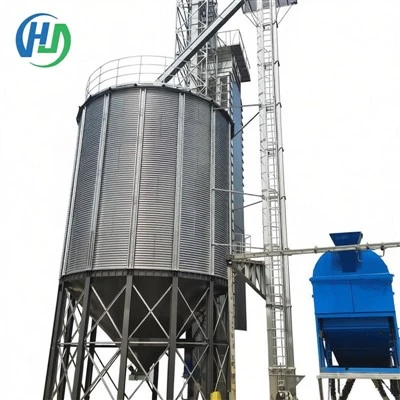
Hey there, folks! As a supplier of flour processing equipment, I get asked a lot about how to store the flour that our machines produce. It’s not just about tossing it into a container and forgetting about it. Proper flour storage is super important to keep it fresh, preserve its quality, and prevent it from going bad. So, let’s dive right in and talk about how to do it right. Flour Processing Equipment
Why Proper Storage Matters
First off, let’s understand why proper flour storage is a big deal. Flour is a staple in many kitchens and food industries, but it can quickly go downhill if not stored correctly. The fats in flour can turn rancid, and it can attract pests like weevils and moths. Also, flour can absorb moisture from the air, which leads to clumping and the growth of mold. All these issues can make the flour taste bad and even make it unsafe to use.
Types of Flour and Their Storage Needs
Not all flours are created equal, and each type has its own storage requirements.
All – Purpose Flour
This is the most common type of flour you’ll find in kitchens. It has a moderate protein content and can be used for a variety of baking tasks. All – purpose flour can be stored at room temperature for a few months. But if you want to keep it fresh for longer, the freezer is your best bet. In the freezer, it can last up to a year. Just make sure to use an airtight container to prevent freezer burn and to keep out any odors from other foods.
Whole Wheat Flour
Whole wheat flour contains the bran and germ of the wheat kernel, which means it has more nutrients but also more fat. The extra fat makes it more prone to going rancid. You should store whole wheat flour in the refrigerator or freezer. In the fridge, it can last about three months, and in the freezer, it can stay good for up to six months.
Cake Flour
Cake flour has a low protein content, which makes it perfect for light and fluffy cakes. It’s more delicate than all – purpose flour. You can store it at room temperature in an airtight container for about six months. But if you live in a humid area, it’s better to keep it in the fridge to prevent clumping.
Choosing the Right Storage Containers
The container you use to store your flour plays a crucial role in keeping it fresh.
Airtight Containers
Airtight containers are a must – have. They prevent air, moisture, and pests from getting to the flour. You can find all sorts of airtight containers in different sizes and materials. Plastic containers are popular because they’re lightweight and affordable. Glass containers are great too, as they’re non – porous and don’t absorb odors. Just make sure the lid fits snugly to create a proper seal.
Food – Grade Buckets
For larger quantities of flour, food – grade buckets are a great option. They’re sturdy and can hold a lot of flour. Make sure to label the buckets clearly with the type of flour and the date you stored it. You can also use a mylar bag inside the bucket for an extra layer of protection.
Storage Conditions
The environment where you store your flour is just as important as the container.
Temperature
As I mentioned earlier, different flours have different temperature requirements. For most flours, a cool and dry place is ideal. Room temperature is fine for all – purpose and cake flour for short – term storage. But for whole wheat flour and other types that are more prone to spoilage, the fridge or freezer is better. Avoid storing flour near heat sources like ovens or stoves, as the heat can cause the flour to spoil faster.
Humidity
Humidity is the enemy of flour. High humidity can make the flour clump and grow mold. If you live in a humid climate, you might want to use a dehumidifier in the storage area. You can also add a desiccant packet to the flour container to absorb any excess moisture.
Light
Light can also affect the quality of flour. Store your flour in a dark place or in opaque containers to protect it from light. Sunlight and bright artificial light can cause the flour to lose its nutrients and go bad faster.
Tips for Long – Term Storage
If you’re looking to store flour for an extended period, here are some extra tips.
Vacuum Sealing
Vacuum sealing is a great way to store flour for long – term. It removes all the air from the package, which slows down the oxidation process and prevents rancidity. You can use a vacuum sealer at home or have your flour vacuum – sealed professionally.
Rotating Stock
It’s important to rotate your flour stock. Use the oldest flour first and make sure to replenish your supply regularly. This ensures that you’re always using fresh flour and reduces the risk of having expired flour on hand.
Preparing for Emergencies
In case of emergencies, it’s a good idea to have a stockpile of flour. Make sure to follow the proper storage guidelines to keep it fresh for as long as possible. You can also consider storing different types of flour to have a variety of options for baking.
Troubleshooting Common Storage Problems
Even if you follow all the rules, you might still run into some problems with your stored flour.
Clumping
If you notice your flour has clumped, you can try sifting it to break up the clumps. If the clumping is due to moisture, you can spread the flour out on a baking sheet and let it dry in a warm, dry place before using it.
Rancidity
If your flour has a bad smell or taste, it might be rancid. In this case, it’s best to throw it away. Rancid flour can make your baked goods taste bad and can even be harmful to your health.
Pests
If you find pests in your flour, it’s time to clean out your storage area. Throw away the infested flour and wash the containers thoroughly with hot, soapy water. You can also use a natural pest repellent like bay leaves in your flour containers to prevent future infestations.
Conclusion
Well, there you have it, folks! Properly storing the flour processed by our equipment isn’t rocket science, but it does require a little bit of knowledge and attention. By choosing the right containers, controlling the storage conditions, and following some simple tips, you can keep your flour fresh and delicious for as long as possible.
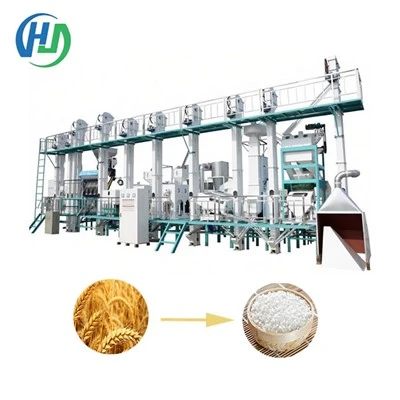
Grain Processing Line If you’re in the market for high – quality flour processing equipment, I’d love to talk to you. Whether you’re a small bakery owner or a large – scale food manufacturer, our equipment can help you produce top – notch flour. Just reach out to me, and we can start a conversation about your needs and how we can help you achieve your goals.
References
- "The Joy of Baking" by Jennifer McCarthy
- "Flour: The Soul of Bread" by Jeffrey Hamelman
- Various food science textbooks and industry publications
Henan Huinong Machinery Co., Ltd.
Henan Huinong Machinery Co., Ltd. is one of the most professional flour processing equipment manufacturers and suppliers in China, featured by quality products and low price. Please rest assured to buy discount flour processing equipment from our factory. We also accept customized orders.
Address: No. 6, Northeast Corner of the Intersection of Renmin Road and Zhujiang Road, New District, Huaxian County, Henan Province
E-mail: frank.tang@huinongmachinery.com
WebSite: https://www.huinongmachinery.com/
