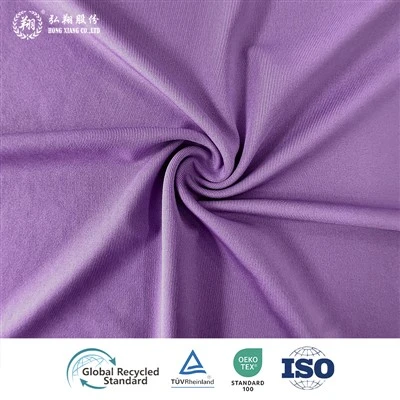
As a supplier of printed knitted fabric, I often get asked about one of the most crucial aspects of our products: anti-pilling. Pilling is a common issue in the fabric industry, especially in knitted fabrics. It refers to the formation of small balls of fibers on the surface of the fabric, which can make the fabric look old, shabby, and less appealing. So, is printed knitted fabric anti-pilling? Let’s delve into this topic in detail. Printed Knitted Fabric
Understanding Pilling in Knitted Fabrics
Before we can answer whether printed knitted fabric is anti-pilling, it’s important to understand what causes pilling. Pilling occurs when the fibers in the fabric rub against each other or against other surfaces. This friction causes the fibers to break and form loose ends. These loose ends then tangle together and form small balls, or pills, on the surface of the fabric.
Several factors can contribute to pilling in knitted fabrics. The type of fiber used is one of the most significant factors. Natural fibers like wool and cotton are more prone to pilling than synthetic fibers like polyester and nylon. This is because natural fibers are more likely to break and form loose ends when subjected to friction. The quality of the fiber also plays a role. Lower-quality fibers are more likely to pill than higher-quality fibers.
The knitting technique and the finish of the fabric can also affect pilling. Fabrics with a looser knit are more likely to pill than those with a tighter knit. This is because the fibers in a looser knit are more easily rubbed against each other. Additionally, fabrics with a smooth finish are less likely to pill than those with a rough or fuzzy finish.
Anti-Pilling Features in Printed Knitted Fabrics
Now, let’s talk about how printed knitted fabrics can be made anti-pilling. As a printed knitted fabric supplier, we take several steps to ensure that our products have good anti-pilling properties.
Firstly, we carefully select the fibers used in our fabrics. We often use a blend of natural and synthetic fibers. Synthetic fibers, such as polyester, have excellent anti-pilling properties because they are more resistant to friction and breakage. By blending them with natural fibers, we can combine the comfort and breathability of natural fibers with the anti-pilling properties of synthetic fibers.
Secondly, we pay close attention to the knitting process. We use advanced knitting techniques to create a tight and even knit. A tight knit reduces the movement of the fibers within the fabric, making it less likely for the fibers to break and form pills. We also conduct thorough quality control during the knitting process to ensure that the fabric is consistent and free from defects that could lead to pilling.
In addition to fiber selection and knitting techniques, we also use special finishes on our printed knitted fabrics. These finishes can help to smooth the surface of the fabric and reduce friction. For example, we may apply a chemical finish that coats the fibers and makes them less likely to break. We also use mechanical finishes, such as brushing and shearing, to remove any loose fibers from the surface of the fabric before it is printed.
Testing the Anti-Pilling Properties of Printed Knitted Fabrics
As a responsible supplier, we do not just claim that our printed knitted fabrics are anti-pilling. We conduct rigorous testing to ensure that our products meet the highest standards of anti-pilling performance.
One of the most common tests we use is the Martindale abrasion test. In this test, a sample of the fabric is rubbed against a standard abrasive material under a controlled pressure for a specified number of cycles. After the test, the fabric is evaluated for the amount of pilling that has occurred. We require our printed knitted fabrics to pass the Martindale abrasion test with a minimum rating to ensure that they have good anti-pilling properties.
We also conduct real-world testing by wearing and washing our samples. This allows us to see how the fabric performs under normal use conditions. We pay attention to factors such as the rate of pilling, the size of the pills, and the durability of the anti-pilling properties over time.
Advantages of Anti-Pilling Printed Knitted Fabrics
There are several advantages to using anti-pilling printed knitted fabrics. For consumers, anti-pilling fabrics are more durable and long-lasting. They maintain their appearance and quality over time, which means that consumers do not have to replace their clothing or other fabric products as often. This saves money and reduces waste.
Anti-pilling fabrics also look better. They have a smooth and clean appearance, which is more attractive than fabrics with pills. This makes them ideal for a wide range of applications, including fashion, home decor, and industrial uses.
For our customers, who are often manufacturers and designers, anti-pilling printed knitted fabrics offer several benefits. They can use these fabrics to create high-quality products that meet the demands of their customers. Anti-pilling fabrics also reduce the likelihood of customer complaints and returns, which can save time and money in the long run.
Conclusion and Call to Action
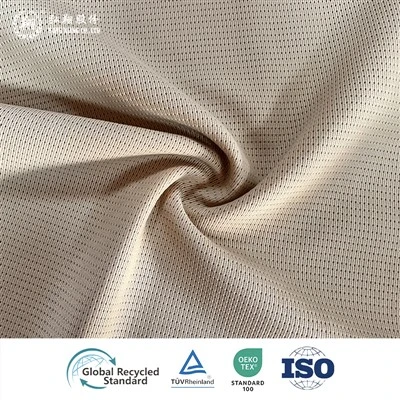
In conclusion, printed knitted fabric can be made anti-pilling through careful fiber selection, advanced knitting techniques, and special finishes. As a printed knitted fabric supplier, we are committed to providing our customers with high-quality, anti-pilling fabrics that meet their needs.
Knitted Fabric If you are interested in purchasing our printed knitted fabrics, we invite you to contact us to discuss your requirements. We can provide you with samples, technical specifications, and pricing information. Our team of experts is always ready to assist you in finding the perfect fabric for your project. Whether you are a fashion designer, a home decorator, or an industrial manufacturer, we have the right printed knitted fabric for you.
References
- ASTM International. Standard Test Method for Pilling Resistance and Other Related Surface Changes of Textile Fabrics: Random Tumble Pilling Tester. ASTM D3512 – 19.
- Textile Institute. Pilling and Fuzzing of Textiles. A monograph on the mechanisms, measurement, and prevention of pilling.
Zhejiang Hongxiang Textile Technology Co., Ltd.
Zhejiang Hongxiang Textile Technology Co., Ltd. is one of the most professional printed knitted fabric manufacturers and suppliers in China. With abundant experience, we warmly welcome you to wholesale custom made printed knitted fabric from our factory. If you have any enquiry about cooperation, please feel free to email us.
Address: No. 8, 12th Road, Warp Weaving Park, Maqiao Street, Haining City, Jiaxing City, Zhejiang Province
E-mail: gd@hongxiang888.cn
WebSite: https://www.h-xiang.com/
