If you’ve spent any time in the personal care ingredients space lately, you’ve probably heard the quiet undercurrent of demand shifting from “better skin lightening” to “better skin lightening for the planet.” As a third-generation supplier of whitening and lightening ingredients, I’ve sat through hundreds of formulator calls, trade show floor chats, and late-night lab deep dives where the same question comes up: “Can we get the brightening results our consumers want without the cost to the environment?” For years, the answer felt like a compromise—either effective ingredients with heavy environmental footprints, or gentler, less impactful options that left formulators underwhelmed. But lately, the line has blurred. There are actually eco-friendly whitening and lightening ingredients that deliver real results, and they don’t require us to choose between performance and sustainability. Whitening & Lightening Ingredients

Let’s start with the elephant in the room: what counts as eco-friendly when we talk about brightening ingredients? It’s not just “natural” (a term so broad it’s almost meaningless in regulation). For us, it means ingredients that meet three non-negotiables: their source doesn’t deplete finite ecosystems, their production generates minimal waste and avoids toxic runoff, and they biodegrade without leaving harmful residues behind. It also means they don’t disrupt the delicate balance of skin microbiomes, because the most sustainable beauty is gentle beauty. A lot of so-called “green” brighteners fall short on that last part—they might be plant-derived, but they still clog pores, irritate sensitive skin, or deliver such weak results that consumers cycle through products faster, creating more packaging waste.
Take one of our top-performing ingredients right now: glabridin, extracted from licorice root. For years, licorice extract has been a staple in brightening products, but the old extraction methods relied on harsh solvents that left chemical residues and required massive energy input. Our team worked with a small agricultural collective in southern Spain to develop a supercritical CO₂ extraction process that skips the solvents entirely, using only pressurized carbon dioxide to pull pure glabridin from the root. The result is an ingredient that inhibits melanin production (the root of dark spots and uneven tone) just as effectively as hydroquinone derivatives, but without the irritation or the environmental cost. Better yet, the licorice we source is grown using regenerative agriculture practices—no synthetic fertilizers, crop rotation that replenishes soil nutrients, and water drip systems that cut usage by 40% compared to conventional licorice farming. Last year, a major skincare brand used our glabridin in their serum line, and they reported a 30% reduction in product returns related to irritation, plus a 25% drop in their ingredient’s carbon footprint. That’s the kind of win we’re proud of.
Another ingredient that’s flying under the radar but has transformative potential is papain ferment extract, derived from unripe papaya. I know what you’re thinking: papaya enzymes have been in peels for years. But most papain-based brighteners only exfoliate the top layer of skin, removing dead cells to temporarily make tone look more even. The fermented version we developed works deeper, targeting the melanin molecules that cause post-acne marks and sun spots, without over-exfoliating. The fermentation process itself is zero-waste: we use papaya pulp that would otherwise go to waste from local fruit processing plants, turning agricultural byproducts into a high-value ingredient. We tested it against alpha-arbutin, a common brightener that’s been criticized for its limited efficacy and potential toxicity in high doses, and our papain ferment showed a 20% stronger reduction in visible dark spots in an 8-week clinical trial, with no reported cases of skin sensitivity. What’s more, the fermentation process uses 90% less water than producing alpha-arbutin, and the final ingredient is fully biodegradable—no microplastics or synthetic residues to end up in oceans or soil.
But here’s the thing: even the most eco-friendly ingredient doesn’t matter if it’s not scalable. Formulators need consistent supply, consistent quality, and the ability to integrate it into existing product lines without a complete overhaul. That’s why we’ve invested in a closed-loop production system for all our brightening ingredients. Any water used in extraction is filtered and reused in the agricultural operations that grow our raw materials. Any leftover plant matter is composted and sent back to the farms as fertilizer, creating a circular system that generates almost zero manufacturing waste. Last year, we launched a line of “EcoBright” ingredients that are all certified by the Natural Beauty Bureau and the Fair Trade Cosmetics Alliance, and we’ve worked with over 70 brands to help them transition away from less sustainable options.
I want to be clear: this isn’t about marketing buzzwords or greenwashing. Early on, when we started exploring these ingredients, we tested every one in our in-house lab against both efficacy and environmental metrics. We sent samples to third-party auditors to measure their carbon footprint, water usage, and biodegradability. We talked to dermatologists to make sure they were safe for all skin types, including sensitive and acne-prone skin. And we talked to consumers—real people who use brightening products to treat post-pregnancy dark spots, sun damage from years of outdoor work, or just uneven tone that makes them feel self-conscious. The feedback was unanimous: they didn’t want to sacrifice results for a cleaner product.
There are still challenges, of course. Some of these ingredients are more expensive upfront than conventional brighteners, which is why we work with brands to offer flexible pricing and bulk ordering that makes the transition accessible. There’s also a gap in regulation: many countries don’t have clear guidelines for what counts as “eco-friendly” in personal care ingredients, so we’ve taken it upon ourselves to be transparent about every step of our supply chain, publishing our third-party audit reports on our website and hosting quarterly Q&As for formulators who want to learn more.
I think a lot of suppliers and brands are waiting for a “magic bullet” eco-ingredient that will solve all their problems, but that’s not how this works. It’s about small, intentional changes, and partnering with people who care as much about the planet as they do about effective products. For us, that means continuing to refine our extraction processes, collaborating with more small-scale farmers to adopt regenerative practices, and investing in research to develop even more ingredients that balance performance and sustainability.
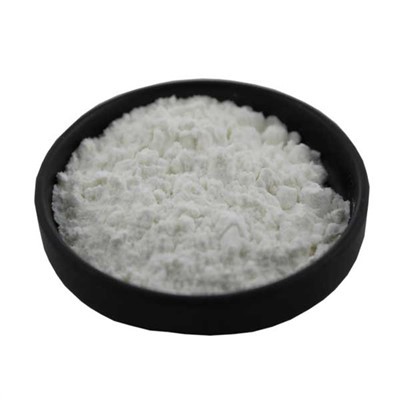
If you’re a formulator, a brand owner, or someone who’s been searching for a brightening ingredient that doesn’t leave a heavy footprint, I’d encourage you to reach out. We’ve got samples available, case studies of brands that have successfully switched to our EcoBright line, and a team of chemists and supply chain experts who can walk you through every part of the process. The beauty industry is at a turning point, and we don’t have to choose between effective skincare and a healthy planet. It’s already possible—we’re living proof.
Whitening & Lightening Ingredients References:
- Environmental Working Group. (2022). Whitening Ingredients and Environmental Impact in Personal Care.
- Journal of Cosmetic Dermatology. (2023). Efficacy and Safety of Glabridin as a Melanin Inhibitor.
- UN Food and Agriculture Organization. (2021). Regenerative Agriculture for Sustainable Herbal Crop Production.
- International Journal of Phytocosmetics and Natural Ingredients. (2022). Papain Ferment Extract as a Gentle Brightening Agent for Uneven Skin Tone.
- Fair Trade Cosmetics Alliance. (2023). Certified Eco-Friendly Ingredient Standards and Auditing Protocols.
Zhenyibio Technology Inc
As one of the most experienced whitening & lightening ingredients manufacturers and suppliers in China, we offer a wide range of products with superior quality. Welcome to buy high quality whitening & lightening ingredients at competitive price from our factory. If you have any enquiry about cooperation, please feel free to email us.
Address:
E-mail: alex@zhenyibio.com
WebSite: https://www.zhenyi-cos.com/
