As the owner of a small manufacturing company that supplies solar panel frame strut roll forming machines, I get asked a lot of questions from new customers and even some of my long-term partners. Lately, one question’s been popping up more often than I expected: “Are there any environmental requirements for using a solar panel frame strut roll forming machine?” At first, I thought it was just a random question, but after digging into how these machines work, the materials they handle, and the regulations most places have, it makes total sense. If you’re in the solar industry—whether you’re installing panels, manufacturing frames, or just upgrading your equipment—you can’t ignore the environmental side of this. Let me break this down the way I’d explain it over a cup of coffee with a fellow business owner. Solar Panel Frame Strut Roll Forming Machine

First, let’s get clear on what a solar panel frame strut roll forming machine actually does. It takes thin metal coils—usually aluminum, sometimes steel, because those are lightweight and weather-resistant for solar frames—and runs them through a series of rollers that bend them into the precise, hollow struts that hold solar panels in place. Those struts need to be consistent in shape and strength to keep panels aligned, especially when they’re installed on rooftops or ground-mounted arrays. But when you’re running heavy machinery all day, every day, there’s bound to be environmental impact to consider. It’s not just about the product you make; it’s about the process too.
The first big environmental requirement I tell my customers about is air quality, specifically volatile organic compounds (VOCs) and particulate matter. Wait, you might be thinking—roll forming is just metal bending, right? Where do VOCs come in? Well, most roll forming machines have parts that need lubrication to keep the rollers moving smoothly and to prevent the metal from scratching. The lubricants we use are usually synthetic oils or, more commonly these days, water-based lubricants. Even water-based ones can release small amounts of VOCs when they’re misted or heated up from constant machine use. Then there’s the fine metal dust that comes from cutting and bending the aluminum or steel. That’s particulate matter, and if it’s not contained, it can hang in the air, not only bad for the workers inside the facility but also if it’s released outside into the surrounding area.
I had a customer a few months back, a small solar frame manufacturer in Ohio, who learned this the hard way. They bought a used roll forming machine from a supplier that didn’t mention any venting requirements, and within a month, their local environmental agency sent them a notice. The metal dust was seeping out of their warehouse vent and settling on a nearby residential garden. They had to install a full air filtration system and upgrade their exhaust vents, which cost them more than the machine itself. Now, when we sell a new machine to a customer, we always include a full list of air quality requirements. That means having a local exhaust ventilation (LEV) system that’s designed specifically to capture both lubricant mist and metal dust at the point where they’re created—right at the roll forming and cutting stations. Most industrial areas have OSHA limits for airborne metal particles, usually around 5 milligrams per cubic meter of air, so the filtration system has to meet or beat that. Also, we recommend using low-VOC lubricants, even if they cost a little more, because not only does it keep air quality clean, but it also means less maintenance on the machine—no sticky residue building up on rollers from high-VOC products.
Next up, water and waste management. Roll forming uses a lot of water, right? For cooling the machine, for cleaning the metal coils, and for rinsing off the lubricant after forming. If you’re just dumping that water down the drain, you’re going to run into big problems. The water has small amounts of metal particles, residual lubricant, and sometimes even pickling agents if you’re using steel, which can be acidic. Most municipalities have strict limits on what can be released into their sewer systems. That means your facility needs either an on-site water treatment system to filter out metals and treat the lubricant before the water is drained, or you have to contract with a licensed wastewater treatment provider to haul it away.
We also talk a lot about solid waste. The metal coils that go into the roll forming machine are usually big spools, and there’s scrap metal left over from the edges of the metal strip that’s cut off to make the struts, plus any defective parts from the machine’s production run. That scrap isn’t trash—it’s recyclable, but you can’t just pile it up in the warehouse and call it good. Some local waste management companies require you to separate ferrous and non-ferrous metals (steel vs. aluminum) for recycling, because they’re processed differently. If you mix them, you might end up paying a higher disposal fee, or even get fined for improper waste handling. We once had a customer in Texas who mixed aluminum and steel scrap and ended up with a $1,200 fine from the county waste department. They learned quickly to have separate bins and to work with a local metal recycling company that picks up the scrap regularly. Also, any empty lubricant containers—they’re considered hazardous waste if they’ve held oil or chemical lubricants, so they have to be disposed of at a licensed hazardous waste facility, not in regular trash. That’s another requirement that trips up new operators.
Energy use is another big one, and it’s not just an environmental thing—it’s a cost saver too. Solar panel manufacturers care about carbon footprint, right? If you’re making frame struts for solar panels, your own operations’ energy use affects the overall sustainability of the product. Roll forming machines are powered by electric motors, usually with multiple components driving the rollers, cutters, and feed systems. Older machines can be very energy inefficient, drawing a lot of power without using it optimally. Newer machines, like the ones we design, have variable frequency drives (VFDs) that adjust the motor speed based on how much work the machine is doing. That means when the machine is idling between runs, it uses way less energy than a fixed-speed motor. Some regions, especially in Europe and parts of the U.S. with strict carbon regulations, require industrial facilities to meet energy efficiency standards. For example, in California, the California Energy Commission (CEC) has standards for industrial machinery that limit energy use per unit of production. When we sell a machine to a customer in California, we make sure it’s CEC-compliant, and we provide documentation to prove that. That not only helps them avoid fines but also makes their finished frames more attractive to customers who want low-solar-footprint products.
Wait, there’s also the less talked-about part: noise pollution. Roll forming machines are loud—usually around 85 to 90 decibels when they’re running at full speed. That’s about as loud as a lawnmower, and over time, it’s not just bad for workers’ hearing, but it can also be a problem for neighbors. Most residential and even some commercial areas have noise ordinances that limit how loud industrial equipment can be during certain hours. For example, in many suburbs, you can’t run loud machinery after 7 PM on weekdays or at all on Sundays. If your machine is too loud, you might get complaints from nearby residents, and even be forced to shut down operations during those times. That’s a big deal for small manufacturers that run one shift a day. How do we fix that? Our roll forming machines are designed with noise-dampening materials in the frame and motor housings, and we recommend installing acoustic barriers around the machine if it’s in a facility near residential areas. We also include noise level test reports with every new machine, so customers can show their local government that the machine meets noise limits. I had a customer in Colorado a few years back who almost lost his lease because a neighbor complained about noise from his old machine. We retrofitted his machine with noise-dampening parts and a barrier, and now he hasn’t had a single complaint. It’s a small investment that saved his business from moving or closing.
Another thing to consider is material sourcing, which ties directly to environmental requirements. Wait, is the metal you use for the frame struts environmentally friendly? Most of our customers use aluminum, which is highly recyclable, but some use steel, which is also recyclable. But there are standards, like the EU’s REACH regulation, or the U.S.’s EPA guidelines for metals used in solar components. You can’t have lead or other heavy metals in the frame struts, because they might leach into the ground over time. The roll forming machine itself—its components, like the rollers, motors, and lubricants—have to meet these standards too. For example, we don’t use any parts in our machines that contain hazardous substances that would be banned under REACH, because many of our customers export their solar frames to the EU, and if the machine or the parts it makes don’t meet those standards, the whole shipment gets rejected. That’s a huge headache no one wants to deal with, so we build our machines with compliance in mind from day one.
Let me be clear here—this isn’t about hoops to jump through to make life harder. This is about building a sustainable business that works with the environment, not against it. The solar industry is all about clean energy, so the manufacturing of its components should be too. I’ve seen too many small solar frame manufacturers cut corners on these environmental requirements, and end up paying way more in fines, lost contracts, or even closing their doors. That’s why when we work with a customer, we don’t just sell them a machine and walk away. We give them a full environmental compliance checklist, help them size their air filtration and water treatment systems, and even connect them with local waste management and recycling providers we’ve worked with for years. We want them to succeed, not just today, but for years to come.
I also think it’s important to note that these requirements vary by region. If you’re in a rural area in the U.S., the rules might be a lot less strict than if you’re in a city with tight environmental regulations, or in the EU where REACH and other directives are very detailed. If you’re in Australia, there are specific guidelines for industrial noise and waste management that differ from Canada’s. That’s why we tailor our support to where our customers are located. For example, a customer in New Zealand will get a checklist aligned with the New Zealand Environmental Protection Authority’s rules, while a customer in Germany will get info on EU-wide and German national regulations.
Now, if you’re thinking about buying a solar panel frame strut roll forming machine, don’t just look at price and production speed. Ask the supplier about the environmental requirements you’ll need to meet. If they can’t give you clear, specific info on air filtration, water management, energy efficiency, noise, and material compliance, keep looking. That’s a red flag. We make sure every customer we work with has all the info they need up front, so there are no surprises later.
At the end of the day, this is all about responsibility. We’re in the solar business because we want to help build a cleaner world, right? The last thing any of us want is for our production processes to be undoing the good that solar energy does. Taking care of the environment isn’t just a legal requirement—it’s the right thing to do, and it’s good for business too. When your customers know you’re making their solar frames with sustainable, compliant processes, they’ll choose you over competitors who cut corners.
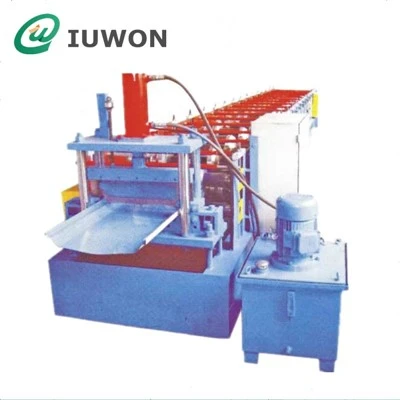
If you’re in the market for a new roll forming machine, or you’re looking to upgrade your current setup to meet stricter environmental standards, I’d love to talk. Whether you’re a small local manufacturer or a larger operation expanding your production, I can help you figure out the right machine for your needs and walk you through all the environmental requirements you’ll need to comply with. We’ve been working with solar frame manufacturers for years, and we know the ins and outs of every region’s rules. Don’t let environmental compliance slow you down—let’s work together to build a sustainable, efficient operation that helps grow the solar industry.
Wall & Roof Roll Forming Machine References
Occupational Safety and Health Administration. Airborne Contaminants: Metal Fumes and Dust. U.S. Department of Labor, 2023.
California Energy Commission. Industrial Energy Efficiency Standards for Machinery. State of California, 2022.
European Chemicals Agency. REACH Regulation: Substances of Very High Concern. ECHA, 2024.
U.S. Environmental Protection Agency. Industrial Waste Management Guidelines for Metal Fabrication. EPA, 2023.
World Health Organization. Environmental Noise Guidelines for the European Region. WHO Regional Office for Europe, 2018.
Hanghzou IUWON Technology Co., Ltd.
Hanghzou IUWON Technology Co., Ltd. is one of the most professional solar panel frame strut roll forming machine manufacturers and suppliers in China. Please feel free to buy high quality solar panel frame strut roll forming machine made in China here from our factory. For price consultation, contact us.
Address: No.755, Xintangtou Village, Xinjie Street, Xiaoshan District, Hangzhou, Zhejiang
E-mail: sales@iuwon.com
WebSite: https://www.iuwonforming.com/
