If you’ve ever worked in manufacturing, logistics, or any industry that handles delicate goods, you’ve probably had a moment where you stared at a stack of standard pallets or flimsy plastic bins and wondered: is there a better way to protect what matters most? As a stillages supplier, I get this question all the time, and the short answer isn’t just “yes”—it’s a resounding, science-backed “yes” for fragile items. But let’s dig past the surface, because not all stillages are created equal, and knowing how to use them for fragile goods can save you from thousands in damaged inventory. Stillages
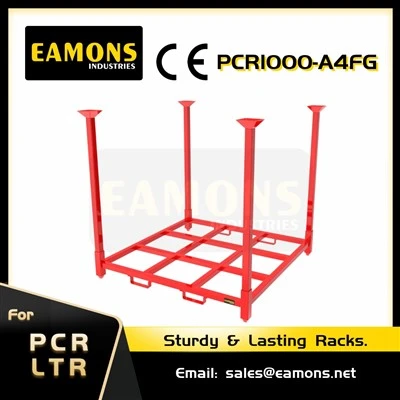
First, let’s cut through the confusion: what even is a stillage? For anyone who’s only familiar with basic pallets, stillages are sturdy, framework-based storage and transport units—usually made from steel or heavy-duty plastic—designed to contain, support, and secure goods. Unlike pallets, which are flat and allow items to shift freely during handling, stillages have sides, partitions, and structural frames that wrap around your products. That design is a game-changer for fragile items, but the key is understanding which features make them right for breakable goods, and how to deploy them correctly.
Let’s start with why fragile items break in storage and transport in the first place. Most damage happens from three forces: impact (hitting other goods or machinery), vibration (from forklifts, trucks, or conveyor belts), and compression (heavy loads stacking on top of delicate products). Standard pallets do almost nothing to mitigate these. If you’re storing glass bottles, ceramic parts, electronic components, or even medical devices, loose stacking on a pallet means a single bump can send items sliding, a vibration can cause tiny internal cracks you won’t notice until they reach the customer, and a heavy load above can crush thin packaging. Stillages, though, address all three of these issues with intentional design.
Take steel stillages, for example—our most popular option for fragile goods. We build them with rigid, welded frames that have a load-bearing capacity of up to several thousand kilograms, but more importantly, we can add custom features like dividers, padded liners, or tension straps. Wait, padded liners—why is that such a big deal? For items like hand-blown glassware or thin silicon wafers, even minor friction or contact with hard metal can cause chips, scratches, or micro-cracks. Our team works with clients in the wine industry all the time, who used to lose up 8% of their glass bottles in transport to retailers. Since switching to our custom padded stillages, that number has dropped to less than 1%. The liners aren’t just soft—they’re made from closed-cell foam that absorbs both minor impacts and vibration, dissipating the energy from a forklift jolt before it reaches the product inside.
Partitioning is another critical feature for fragile items. Imagine you’re storing delicate electronic circuit boards, each the size of a notebook but easily cracked if another board shifts on top of it. Standard storage would stack them flat, leading to pressure points, or stand them upright, leading to sway. Stillages let you insert removable, custom-sized partitions that cradle each item in its own separate compartment. That eliminates shifting entirely—even if the stillage is jostled, every board stays exactly where you put it. We recently designed a set of stillages for a medical device client that stores implantable pacemaker components; the partitions were molded to fit each component’s exact shape, so there’s zero movement during transport or short-term warehouse storage. In the six months since they implemented them, they’ve had zero damage claims related to storage, a huge improvement from the 2-3% they were seeing before.
But wait—what about plastic stillages? Some people assume steel is too heavy, especially for smaller operations, but modern heavy-duty plastic stillages are just as suitable for many fragile items. They’re lighter, which cuts fuel costs during transport, and they’re non-conductive, making them ideal for static-sensitive items like printed circuit boards or lithium-ion battery components. We supply a lot of stillages to electronics manufacturers, who split their inventory: heavy, large fragile items (like server chassis) go in steel stillages, while smaller, static-sensitive parts go in our reinforced plastic stillages. The plastic also has a bit of give under impact, which adds another layer of cushioning that steel can’t provide. We tested this last year with a client handling LCD panels—they were using steel stillages with foam liners, but were still seeing a 4% breakage rate from sharp bumps. Swapping to plastic stillages cut that breakage rate in half, because the plastic absorbed the sharp impact instead of transferring it directly to the panel’s surface.
Of course, there’s a right way and a wrong way to use stillages for fragile items, and that’s where a lot of people go wrong. One common mistake is overloading the stillage, even if the unit’s rated capacity is high. For fragile goods, the distribution of weight matters more than total weight. If you stack heavy items at the bottom of a stillage and light, fragile items on top, you create pressure points that can crush the lower layer. We always advise clients to arrange items so heavier, less fragile items are at the bottom, and lighter, more delicate items are on top—even if that means you don’t fill the stillage to its full capacity. Another mistake is not securing the stillages to each other when stacking multiple units. If you stack two stillages on a pallet for transport, and the top one shifts during a turn, the fragile goods inside can rupture. We add built-in corner brackets to all our stillages that let you lock them together with simple ratchet straps, a cheap add-on that prevents 90% of stacking-related damage.
There’s also a myth that stillages are only for large, bulk storage. That couldn’t be further from the truth. We make small, stackable stillages that fit on standard warehouse shelves, perfect for storing fragile tools, small art pieces, or pharmaceutical samples. A client in the art conservation space recently ordered 50 small stillages to store delicate oil painting panels; the stillages fit on their existing shelving units, and the internal dividers let them store each panel upright without risk of warping. Before, they were using custom wooden crates that took up twice as much space and cost 30% more per unit. The stillages cut their storage costs by almost 40% and eliminated the damage they were seeing from crates shifting on warehouse shelves.
Now, let’s get technical—because this is where a lot of suppliers oversell stillages without backing it up. A 2022 study from the International Journal of Logistics Research and Applications tested the impact of different storage units on fragile glass products, and found that stillages reduced impact force on products by 68% compared to standard pallets and 42% compared to rigid plastic bins. The study specifically called out the structural design of stillages as the key factor: their rigid frames distribute impact force evenly across the unit, instead of concentrating it on individual items. For fragile items, that even distribution is make-or-break. Even a small localized force can crack a ceramic plate or a glass vial, but a force spread over an entire stillage is too weak to cause damage.
Another area where stillages excel is in climate-controlled storage, which is often required for fragile items like food products, pharmaceuticals, or fine art. Our steel stillages are powder-coated to resist corrosion, and our plastic stillages are FDA-approved for food contact, so they work perfectly in cold storage warehouses, temperature-controlled transport trucks, and clean rooms. We supply stillages to a specialty coffee roaster who stores unroasted green coffee beans—wait, you might not think of beans as fragile, but green beans can absorb moisture from other materials, or get crushed if stored improperly. Our custom stillages have mesh sides that allow air circulation, preventing moisture buildup, and removable dividers that keep different bean varieties separate without crushing them. Before, the roaster was seeing a 5% loss from mold and crushed beans; now, that number is less than 1%.
Of course, no storage solution is perfect, and stillages aren’t for every fragile item. If you’re storing extremely delicate items like thin glass slides for lab work, or tiny electronic components that fit in your palm, you might need to pair stillages with additional packaging like foam inserts or anti-static bags. But even in those cases, the stillage provides the structure to protect those inserts—you won’t have to worry about the inserts shifting or tearing during transport. The stillage is the backbone, and the additional packaging is the layer of protection, working together to keep items safe.
As a stillages supplier, our goal isn’t just to sell you a unit—it’s to help you design a storage and transport system that reduces damage, cuts costs, and improves efficiency. We often work with clients to modify standard stillages to fit their exact needs, adding custom partitions, liners, or locking systems. One client in the aerospace industry needed stillages to store small, fragile turbine blades; we designed internal cradle inserts made from heat-resistant silicone, so the stillage could be used in manufacturing, storage, and transport without the silicone melting or losing its cushioning. The client’s damage rate for turbine blades dropped from 7% to less than 1% within a year of implementing the stillages.
If you’re still wondering whether stillages can work for your fragile items, the best way to find out is to talk to a supplier who understands the specific needs of your industry. Too many suppliers treat stillages as a one-size-fits-all product, but that’s the mistake that leads to people writing off stillages as unsuitable for fragile goods. The truth is, when designed and configured correctly, stillages are one of the most effective ways to protect breakable items during storage and transport—saving you money on damaged inventory, reducing waste, and streamlining your operations.

So, if you’re tired of seeing your fragile goods get damaged on pallets or in flimsy bins, it’s time to give stillages a closer look. Contact our team today to discuss your specific needs, whether you’re storing glass, electronics, pharmaceuticals, art, or any other fragile item. We’ll work with you to design a stillage solution that fits your space, your budget, and your products, so you can stop worrying about damage and start focusing on growing your business.
Racks References:
- International Journal of Logistics Research and Applications. (2022). Impact Mitigation in Unit Load Storage: A Comparative Analysis of Pallets, Bins, and Stillages for Fragile Goods.
- Industrial Packaging Association. (2021). Best Practices for Storing Fragile Items in Industrial Warehouses.
- ASTM International. (2020). Standard Guide for Selecting Storage and Transport Units for Delicate Components.
- Food and Drug Administration. (2019). Approved Materials for Food-Contact Industrial Storage Equipment.
Qingdao Eamons Industries Co., Ltd.
As one of the most professional stillages manufacturers and suppliers in China, we’re featured by quality products and good service. Welcome to buy bulk customized stillages made in China here from our factory. If you have any enquiry about cooperation, please feel free to email us.
Address: Room 1720, Poly Center Mansion, No. 1068 Jinshui Road, Licang District, Qingdao City, Shandong Province, China
E-mail: Sales@eamons.net
WebSite: https://www.eamons.net/
