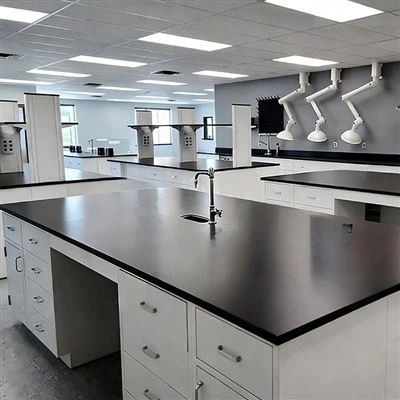
Predicting the future demand for lab benches is a crucial task for a lab bench supplier like me. It allows us to make informed decisions about production, inventory management, and strategic planning. In this blog, I will share some insights and methods on how to predict the demand for lab benches in the future. Lab Bench
Understanding the Market Landscape
Before diving into prediction methods, it’s essential to have a comprehensive understanding of the market landscape. The demand for lab benches is influenced by various factors, including the growth of the scientific research sector, technological advancements, and regulatory requirements.
The scientific research sector is constantly evolving, with new discoveries and breakthroughs driving the need for more advanced laboratory facilities. As research institutions and companies invest in cutting – edge technologies, the demand for high – quality lab benches that can accommodate these new equipment and experimental setups is likely to increase.
Technological advancements also play a significant role. For example, the rise of automation and robotics in laboratories requires lab benches that are designed to support these technologies. Additionally, the increasing use of digital and smart laboratory equipment means that lab benches need to be equipped with features such as power outlets, data ports, and connectivity options.
Regulatory requirements are another important factor. Different industries and research fields have specific regulations regarding laboratory safety and equipment standards. Lab benches need to comply with these regulations, which can impact the demand for certain types of benches.
Analyzing Historical Data
One of the most basic and effective methods for predicting future demand is to analyze historical data. By looking at past sales records, we can identify trends and patterns in the demand for lab benches.
We can start by collecting data on the number of lab benches sold over a specific period, say the past five years. This data can be further broken down by factors such as the type of lab bench (e.g., chemical lab benches, cleanroom lab benches), the customer segment (e.g., universities, research institutions, pharmaceutical companies), and the geographical location.
Once we have the data, we can use statistical techniques to analyze it. For example, we can calculate the average growth rate of sales over the years. If the sales of a particular type of lab bench have been growing at an average rate of 5% per year, we can use this rate to project future sales.
We can also look for seasonal patterns in the data. Some industries may have peak seasons for purchasing lab benches. For instance, universities may place large orders at the beginning of the academic year. By identifying these seasonal patterns, we can better plan our production and inventory levels.
Conducting Market Surveys
Market surveys are another valuable tool for predicting demand. We can conduct surveys among our existing and potential customers to gather information about their future needs and plans.
The survey questions can cover a wide range of topics. For example, we can ask customers about their current lab facilities, their plans for expansion or renovation, and their requirements for new lab benches. We can also inquire about their budget for lab equipment purchases and their preferences regarding features and materials.
To ensure the accuracy of the survey results, we need to target a representative sample of customers. This may include customers from different industries, sizes, and geographical locations. We can use online surveys, phone interviews, or in – person meetings to collect the data.
Once we have the survey data, we can analyze it to identify common trends and preferences. For example, if a large number of customers express a need for lab benches with anti – microbial surfaces, we can anticipate an increase in the demand for such benches in the future.
Monitoring Industry Trends
Staying up – to – date with industry trends is crucial for predicting the demand for lab benches. We need to keep an eye on developments in the scientific research, technology, and regulatory fields.
In the scientific research field, new research areas such as genomics, proteomics, and nanotechnology are emerging. These areas often require specialized lab benches with unique features. By monitoring these trends, we can develop and offer lab benches that meet the specific needs of these research areas.
In the technology field, the development of new materials and manufacturing processes can also impact the demand for lab benches. For example, the use of lightweight and durable composite materials can make lab benches more portable and cost – effective. By keeping abreast of these technological advancements, we can offer innovative lab bench solutions to our customers.
Regulatory changes can also have a significant impact on the demand for lab benches. For example, new safety regulations may require lab benches to have additional features such as fire – resistant materials or spill containment systems. By monitoring regulatory changes, we can ensure that our lab benches comply with the latest standards and meet the changing needs of our customers.
Collaborating with Industry Partners
Collaborating with industry partners can provide valuable insights into future demand. We can partner with research institutions, equipment manufacturers, and industry associations to share information and knowledge.
Research institutions can provide us with information about their future research plans and requirements for lab benches. They can also offer feedback on the performance and features of our existing lab benches, which can help us improve our products.
Equipment manufacturers can share information about the latest technological advancements in laboratory equipment. This can help us design lab benches that are compatible with the new equipment and meet the evolving needs of our customers.
Industry associations can provide us with access to industry reports, market data, and networking opportunities. By participating in industry events and conferences, we can stay informed about the latest trends and developments in the lab bench market.
Using Forecasting Models
There are various forecasting models that can be used to predict the demand for lab benches. These models use historical data, market trends, and other relevant factors to generate forecasts.
One commonly used forecasting model is the time – series analysis. This model uses historical sales data to identify patterns and trends over time. It can be used to predict future sales based on the past behavior of the market.
Another forecasting model is the regression analysis. This model uses statistical techniques to identify the relationship between the demand for lab benches and other variables such as economic indicators, industry growth rates, and technological advancements. By analyzing these relationships, we can make more accurate predictions about future demand.
Conclusion

Predicting the future demand for lab benches is a complex but essential task for a lab bench supplier. By understanding the market landscape, analyzing historical data, conducting market surveys, monitoring industry trends, collaborating with industry partners, and using forecasting models, we can make informed decisions about production, inventory management, and strategic planning.
Lab Table Top If you are interested in learning more about our lab benches or discussing your specific requirements, we would be more than happy to have a conversation with you. Our team of experts is ready to assist you in finding the perfect lab bench solutions for your laboratory. Contact us to start the procurement process and let’s work together to meet your laboratory needs.
References
- "Market Research Handbook: A Guide to Conducting Market Research" by John Doe
- "Forecasting Methods and Applications" by Jane Smith
- "Trends in Scientific Research and Laboratory Equipment" published by the International Scientific Research Association
HAMECC(Shanghai) Lab Solutions Co., Ltd.
We’re well-known as one of the leading lab bench manufacturers and suppliers in China, featured by quality products and good price. Please rest assured to buy customized lab bench made in China here from our factory.
Address: Building 1, No. 2222, Huancheng Road, Jiading District, Shanghai
E-mail: info@hamecc.com
WebSite: https://www.hamecc.com/
