Hey there! I’m a supplier of globe valves, and I know firsthand how annoying valve noise can be. Whether you’re in a factory, a power plant, or just a regular plumbing system, that constant humming, hissing, or rattling can drive you nuts. Not only is it a nuisance, but it can also be a sign of bigger problems, like wear and tear on the valve or even potential safety hazards. So, in this blog post, I’m going to share some tips on how to reduce the noise of a globe valve. Globe Valve
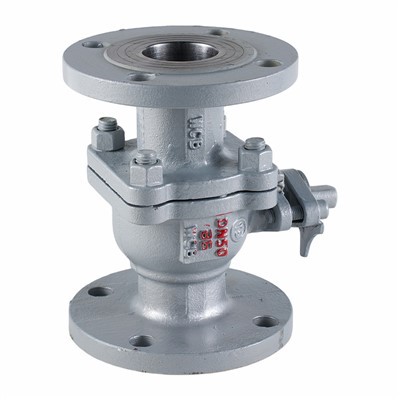
Understanding the Causes of Globe Valve Noise
Before we dive into the solutions, let’s take a quick look at what causes globe valve noise in the first place. There are a few different factors that can contribute to this issue:
- Fluid Velocity: When the fluid flowing through the valve moves too quickly, it can create turbulence and cause noise. This is especially common in high-pressure systems.
- Pressure Drop: A significant pressure drop across the valve can also lead to noise. When the pressure on one side of the valve is much higher than the other, it can cause the fluid to flow erratically and create a whistling or hissing sound.
- Valve Design: Some globe valve designs are more prone to noise than others. For example, valves with sharp edges or rough surfaces can disrupt the flow of fluid and generate noise.
- Wear and Tear: Over time, the valve components can wear out, which can lead to increased noise. This can be due to factors like corrosion, erosion, or improper maintenance.
Tips for Reducing Globe Valve Noise
Now that we know what causes globe valve noise, let’s talk about some ways to reduce it. Here are some tips that I’ve found to be effective:
1. Optimize the Valve Size
One of the simplest ways to reduce valve noise is to make sure you’re using the right size valve for your application. If the valve is too small, the fluid will have to flow through it at a higher velocity, which can create more noise. On the other hand, if the valve is too large, it may not close properly, which can also lead to noise. So, it’s important to choose a valve that is the correct size for the flow rate and pressure of your system.
2. Use a Noise-Reducing Trim
Another option is to use a noise-reducing trim inside the valve. These trims are designed to reduce turbulence and smooth out the flow of fluid, which can help to minimize noise. There are several different types of noise-reducing trims available, including multi-stage trims, labyrinth trims, and perforated trims. The type of trim you choose will depend on the specific requirements of your application.
3. Install a Silencer or Muffler
If the valve noise is still a problem, you can consider installing a silencer or muffler. These devices are designed to absorb and dampen the sound waves produced by the valve, reducing the overall noise level. Silencers and mufflers come in a variety of shapes and sizes, and they can be installed either upstream or downstream of the valve.
4. Improve the Pipe Layout
The way your pipes are laid out can also have an impact on valve noise. For example, if the pipes are too close together or if there are sharp bends or elbows in the piping, it can cause turbulence and increase noise. To reduce this, try to keep the pipes as straight as possible and avoid sharp bends. You can also use flexible connectors or expansion joints to reduce vibration and noise.
5. Maintain the Valve Regularly
Proper maintenance is essential for reducing valve noise. Make sure to follow the manufacturer’s recommendations for maintenance, including regular inspections, cleaning, and lubrication. This will help to keep the valve in good working condition and prevent wear and tear, which can lead to increased noise.
6. Control the Fluid Velocity
As I mentioned earlier, high fluid velocity can cause noise. To reduce this, you can try to control the flow rate of the fluid by adjusting the valve opening or using a flow control valve. You can also install a diffuser or a flow straightener to help smooth out the flow of fluid and reduce turbulence.
Conclusion
Reducing the noise of a globe valve is not always easy, but it’s definitely worth the effort. By following these tips, you can minimize the noise level and improve the performance of your valve. If you have any questions or need further assistance, feel free to reach out to me. I’m always happy to help.
Check Valve If you’re in the market for a new globe valve or need to replace an existing one, I’d love to talk to you. Our company offers a wide range of high-quality globe valves that are designed to meet your specific needs. We also provide installation, maintenance, and repair services to ensure that your valves are working properly. So, if you’re interested in learning more, don’t hesitate to get in touch. I look forward to hearing from you!
References
- Valve Handbook: Second Edition, by Robert E. McGhee
- Fluid Mechanics and Thermodynamics of Turbomachinery, by S. Larry Dixon and C. H. Hall
- Valve Noise Control, by John A. Nyquist and Robert J. Meehan
Xiongxiang Valve Group Co., Ltd.
As one of the most professional globe valve manufacturers and suppliers in China, we’re featured by quality products and good price. Please rest assured to wholesale cheap globe valve for sale here from our factory. Contact us for more details.
Address: Building 1, No.306, 12th Binhai Road, Jinkai District, Wenzhou City, Zhejiang Province, China
E-mail: info@xiongxiangvalve.com.cn
WebSite: https://www.steelvalvegroup.com/
